


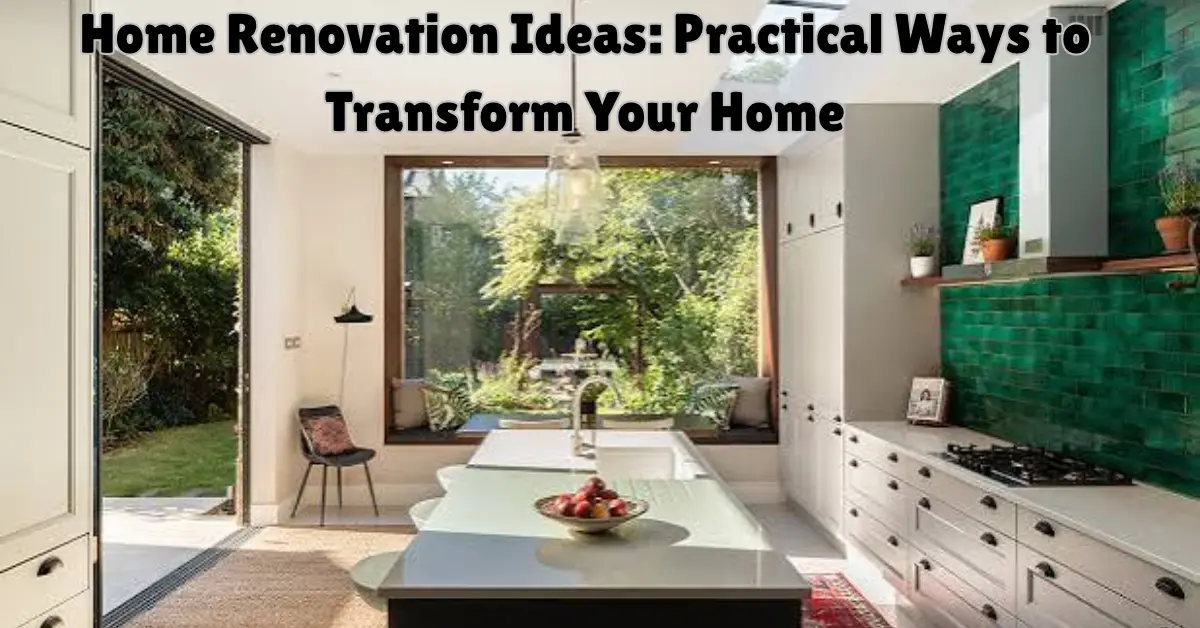
Home renovation is an excellent way to improve the appearance, comfort, functionality, and value of your property. Whether you live in a small apartment, a traditional family house, or a modern home, the right improvements can make your living space more attractive and practical. You do not always need a huge budget or a complete property makeover to achieve noticeable results. Small, carefully planned changes can create a fresh atmosphere and make everyday living more enjoyable.
Exploring different home renovation ideas can help you identify improvements that match your lifestyle, personal taste, and available budget. From updating an outdated kitchen to refreshing your living room, improving lighting, renovating bathrooms, or creating more storage, there are many ways to give your home a new look.
The key is to understand which areas need attention, set realistic priorities, and choose materials and designs that offer long-term value. This article explores practical renovation options, budget considerations, modern design trends, and useful planning tips to help you make informed decisions.
Why Home Renovation Is Worth Considering

Home renovation is not only about changing how a property looks. It can also improve how efficiently your home works. Older properties may have outdated layouts, insufficient storage, poor lighting, or worn-out fixtures that affect everyday comfort.
A well-planned renovation can solve these problems while making the property more suitable for your current needs.
Improve Everyday Comfort
Your home should support your daily routine. Renovating uncomfortable or outdated spaces can make ordinary activities easier. For example, improving kitchen storage can simplify cooking, while updating a bathroom can create a more comfortable environment.
Increase Property Appeal
Fresh paint, updated flooring, modern fixtures, and attractive exterior improvements can make a property more appealing. These changes may also help create a positive impression if you decide to sell or rent your home in the future.
Make Better Use of Available Space
Some homes have unused corners, narrow hallways, or poorly arranged rooms. Renovation can help turn these areas into useful spaces through better layouts, built-in storage, and thoughtful furniture placement.
Improve Energy Efficiency
Replacing inefficient lighting, improving insulation, sealing air leaks, and upgrading older windows can help reduce unnecessary energy use. These improvements may also make indoor temperatures more comfortable.
15 Practical Home Renovation Ideas
Choosing the right renovation projects depends on your property’s condition, available space, and budget. The following home renovation ideas cover different areas of the house and offer practical ways to improve your living environment.
1. Give Your Walls a Fresh Coat of Paint
Painting is one of the simplest ways to transform an outdated room. Old, faded, or damaged walls can make an otherwise attractive home look neglected. Fresh paint creates a cleaner appearance and helps different areas feel more welcoming.
Neutral shades such as warm white, beige, light gray, and soft cream are popular because they work with many furniture styles. If you prefer more personality, consider adding a feature wall in a deeper or more distinctive shade.
Before painting, clean the walls, repair visible cracks, and apply primer where necessary. Proper preparation helps the final finish look smoother and last longer.
2. Renovate Your Kitchen
The kitchen is one of the most frequently used areas in a home. An outdated kitchen can affect both convenience and appearance, so even a few improvements can make a significant difference.
You can begin by replacing old cabinet handles, improving countertop surfaces, updating the backsplash, or installing better lighting. If the cabinets are still in good condition, repainting or refinishing them may be more affordable than replacing everything.
Consider improving the kitchen layout so that cooking equipment, preparation areas, and storage are easy to access. A practical kitchen should look attractive while supporting everyday activities.
3. Modernize Your Bathroom
Bathroom renovation can improve hygiene, comfort, and the overall appearance of your property. Old faucets, damaged tiles, poor lighting, and insufficient storage can make the space feel outdated.
Consider replacing worn fixtures, installing a modern mirror, improving ventilation, and choosing easy-to-clean surfaces. A new vanity or additional shelves can also make a small bathroom more organized.
Waterproofing should receive particular attention during bathroom renovation. Poor waterproofing can cause moisture problems and expensive repairs later.
4. Upgrade Your Flooring
Flooring has a major influence on the appearance of any room. Damaged tiles, worn carpets, or outdated surfaces can make a home feel older than it is.
Depending on your budget and requirements, consider ceramic tiles, porcelain tiles, laminate flooring, engineered wood, or other suitable materials. Each option has different maintenance needs, durability, and installation costs.
Choose flooring according to the room’s purpose. Kitchens and bathrooms need surfaces that can handle moisture, while bedrooms may benefit from warmer and more comfortable materials.
5. Improve Indoor Lighting
Lighting can completely change the atmosphere of a home. Poorly lit rooms may feel smaller and less inviting, while well-planned lighting can make spaces appear brighter and more comfortable.
Combine general lighting with task lighting and decorative fixtures. Ceiling lights provide overall illumination, while reading lamps and under-cabinet lights help with specific activities.
Where possible, make better use of natural daylight by keeping windows clear and choosing suitable curtains or blinds.
6. Create an Open and Functional Layout
Some older houses have layouts that separate rooms unnecessarily. If your property allows it, adjusting the arrangement can create a more connected and spacious environment.
An open layout may connect the kitchen, dining area, and living room. This can improve movement and make shared spaces feel larger.
However, removing walls requires careful planning. Some walls support the structure of a building, so consult a qualified professional before making major changes.
7. Refresh Your Living Room
The living room is often the main gathering area for family members and guests. Updating this space can improve both comfort and visual appeal.
Start by rearranging furniture to create better movement. Replace outdated curtains, update cushions, introduce suitable lighting, and organize entertainment equipment.
You can also add a simple accent wall, a practical storage unit, or a comfortable seating arrangement. Focus on improvements that make the room useful rather than filling it with unnecessary decorations.
8. Upgrade Doors and Windows
Old doors and windows can affect insulation, security, noise levels, and appearance. Replacing damaged units can give your home a cleaner and more modern finish.
Consider durable frames, quality locks, and suitable glazing based on your climate and budget. If complete replacement is not necessary, repairing hinges, handles, seals, and damaged surfaces may be enough.
Properly sealed windows can also reduce unwanted air movement and improve indoor comfort.
9. Add Smart Storage Solutions
Storage improvements are especially useful in smaller homes. Clutter can make rooms feel crowded, even when enough floor space is available.
Built-in wardrobes, under-stair storage, wall-mounted shelves, and cabinets with multiple compartments can help organize everyday items.
In bedrooms, consider furniture that offers additional storage. In kitchens, use cabinets and drawers to keep frequently used items accessible without occupying countertops.
10. Improve Your Home’s Exterior
The exterior creates the first impression of your property. Faded paint, damaged boundary walls, outdated lighting, and neglected entrances can reduce its overall appeal.
Consider repainting exterior walls, repairing cracks, upgrading the main entrance, and improving outdoor lighting. You can also refresh the front yard with suitable plants and a clean walkway.
Choose exterior materials that can withstand local weather conditions and require manageable maintenance.
11. Renovate Your Bedroom
A bedroom should provide a comfortable and relaxing environment. Renovation does not always require expensive furniture or major structural changes.
You can repaint the walls, replace old lighting, update curtains, improve wardrobe organization, and introduce a more practical furniture arrangement.
If the room has limited space, consider wall-mounted shelves and furniture with built-in storage. A simple design with fewer unnecessary items can make the bedroom feel more organized.
12. Create a Small Home Office
Remote work, online learning, and personal projects have increased the need for practical workspaces at home.
An unused corner or spare room can become a functional home office. Choose a comfortable desk, supportive chair, suitable lighting, and enough storage for essential supplies.
Try to position the workspace near natural light while reducing distractions. Even a compact setup can provide a useful area for focused activities.
13. Improve Staircases and Hallways
Staircases and hallways are sometimes overlooked during renovation, even though they contribute to the overall appearance of a property.
Repair damaged steps, repaint railings, improve lighting, and update old flooring where necessary. Wall-mounted lights can make hallways feel more welcoming.
If space allows, use the area beneath the staircase for storage or a small display shelf.
14. Add Energy-Efficient Features
Energy-efficient improvements can make a home more comfortable while reducing unnecessary electricity consumption.
Consider LED lighting, improved insulation, weatherstripping, energy-efficient appliances, and suitable window coverings. These upgrades can help reduce energy waste over time.
Before purchasing new equipment, compare its efficiency ratings, expected lifespan, maintenance requirements, and operating costs.
15. Improve Outdoor Living Areas
Balconies, patios, terraces, and small gardens can become valuable extensions of your living space.
Add comfortable outdoor seating, suitable flooring, weather-resistant lighting, and plants that match the available conditions. If you have limited space, compact furniture and vertical planters can make the area more functional.
Make sure outdoor materials are appropriate for sunlight, rain, and other local weather conditions.
Budget-Friendly Home Renovation Ideas
A complete renovation can be expensive, but many improvements can be completed gradually. A realistic budget helps you focus on the changes that provide the greatest practical benefit.
Repaint Instead of Replacing
If your cabinets, doors, or furniture are structurally sound, refinishing or repainting them may be more affordable than purchasing replacements.
Replace Small Fixtures
Old handles, faucets, light switches, and cabinet knobs can make a room look outdated. Replacing these smaller items can refresh the overall appearance without requiring major construction.
Repair Before Replacing
Not every damaged item needs to be removed. Professional repairs may restore flooring, cabinets, doors, and other fixtures at a lower cost than full replacement.
Renovate One Room at a Time
Working on one area at a time helps spread expenses and makes it easier to manage the project. You can complete essential improvements first and plan decorative upgrades later.
Reuse Suitable Materials
Some existing materials can be reused after proper cleaning, refinishing, or repair. Reusing suitable furniture and fixtures can reduce waste and control costs.
Modern Home Renovation Trends
Home renovation trends change over time, but many current design approaches focus on comfort, simplicity, functionality, and sustainability.
Minimalist Design
Minimalist interiors use simple shapes, clean surfaces, and carefully selected furniture. This approach can make rooms feel organized and reduce unnecessary visual clutter.
Natural Materials
Wood, stone, natural textures, and other earthy finishes can create a warm atmosphere. These materials can work in both traditional and contemporary interiors.
Neutral Color Palettes
Soft whites, warm beige, muted greens, and natural gray tones are commonly used in modern spaces. They provide a flexible foundation for different furniture and decorative styles.
Smart Home Features
Smart lighting, temperature controls, security systems, and connected appliances can improve convenience. Before installing these features, consider compatibility, privacy, maintenance, and long-term costs.
Sustainable Renovation
Using durable materials, improving insulation, choosing efficient appliances, and reducing construction waste can make renovation projects more environmentally responsible.
How to Plan a Successful Home Renovation
Good planning helps prevent unnecessary expenses, delays, and design problems. Before starting construction, take time to understand your needs and prepare a clear renovation plan.
1. Identify Your Priorities
Walk through your property and note which areas require attention. Separate essential repairs from optional improvements.
For example, a leaking roof or damaged electrical system should receive attention before decorative changes. Prioritizing important work helps protect your property and budget.
2. Set a Realistic Budget
Estimate the cost of materials, labor, transportation, permits, and other project expenses. Request quotations from multiple contractors when possible.
Keep an additional contingency amount for unexpected problems. Older properties may contain hidden issues that become visible only after renovation begins.
3. Choose Suitable Materials
Do not select materials based only on appearance or initial price. Consider durability, maintenance, availability, and suitability for the intended room.
For example, flooring used in a bathroom should handle moisture, while exterior paint should be designed for outdoor conditions.
4. Hire Qualified Professionals
Major electrical, plumbing, structural, and waterproofing work should be handled by appropriately qualified professionals.
Check previous work, discuss project details, agree on costs, and establish a realistic schedule before work begins.
5. Check Local Building Requirements
Some renovations require permissions or professional inspections. Structural changes, extensions, and major service upgrades may be subject to local building regulations.
Check the relevant requirements before starting work to avoid legal and safety problems.
6. Create a Renovation Timeline
Prepare a schedule that identifies the order of tasks and expected completion dates. Some jobs depend on others being completed first.
For example, electrical and plumbing work may need to happen before wall finishing and painting. A clear schedule helps coordinate workers and material deliveries.
Common Home Renovation Mistakes to Avoid
Even a well-planned project can become difficult when important details are overlooked. Avoiding common mistakes can protect your investment.
Ignoring Essential Repairs
Focusing only on appearance while ignoring leaks, electrical problems, structural damage, or plumbing issues can create larger expenses later.
Underestimating Costs
Unexpected repairs, price changes, and material shortages can affect the final budget. Include a contingency amount instead of spending your entire budget on the initial estimate.
Choosing Materials Without Research
Cheap materials may not provide good long-term value. Compare product quality, durability, maintenance requirements, and suitability before purchasing.
Changing Plans Too Frequently
Frequent design changes during construction can increase costs and delay completion. Finalize important decisions before work begins whenever possible.
Hiring Without Checking Experience
Choosing a contractor based only on the lowest quotation can create problems. Review previous projects, discuss responsibilities, and establish clear expectations.
Forgetting Ventilation and Natural Light
A beautiful room may still feel uncomfortable if it has poor ventilation or insufficient daylight. Consider airflow, windows, lighting, and moisture control during planning.
Home Renovation Ideas for Small Houses
Small houses require careful planning because every area needs to serve a useful purpose. The goal is to improve comfort without making the available space feel crowded.
Use Multi-Functional Furniture
Furniture that provides more than one function can save space. Storage beds, foldable tables, and compact seating arrangements can make smaller rooms more practical.
Use Vertical Space
Wall-mounted cabinets, shelves, and hooks can provide additional storage without occupying valuable floor space.
Choose Light Interior Colors
Light shades can help reflect natural light and create an open appearance. Combine them with suitable textures and simple decorative details.
Improve Room Organization
Remove unnecessary items and arrange furniture to maintain clear walking paths. Organized spaces generally feel more comfortable and easier to maintain.
Use Sliding Doors Where Suitable
Sliding doors can reduce the space needed for door movement. They may be useful for wardrobes, bathrooms, and selected room entrances when properly installed.
Home Renovation Ideas for Older Houses
Older homes often have unique architectural features, but they may also require repairs and modernization.
Before making decorative changes, inspect the building’s important systems and structural condition.
- Check the roof: Look for signs of water penetration, damaged materials, and drainage problems.
- Inspect plumbing: Identify leaks, corrosion, and outdated pipework.
- Review electrical systems: Have an electrician assess wiring, switches, sockets, and protective devices.
- Improve insulation: Check areas where heat may escape or enter unnecessarily.
- Restore original features: Repair suitable wooden doors, decorative details, and other features that add character.
- Update interior finishes: Refresh paint, flooring, lighting, and fixtures while maintaining a consistent design.
Preserving useful original features while upgrading essential systems can help older properties remain comfortable and functional.
How to Make Your Home Renovation More Sustainable
Sustainable renovation focuses on reducing waste, improving efficiency, and choosing materials that last.
Start by repairing items instead of replacing them unnecessarily. Reuse suitable furniture, recycle construction materials where possible, and select durable products.
Improve insulation and ventilation to support comfortable indoor temperatures. Choose energy-efficient lighting and appliances that meet your household needs.
You can also consider water-saving faucets, efficient shower fixtures, and suitable water-management improvements. These changes may reduce resource consumption over time.
Sustainability does not require every material to be expensive or completely new. Thoughtful planning and responsible purchasing can make a meaningful difference.
How to Choose the Right Renovation Projects
Not every renovation idea is suitable for every home. Your decisions should reflect the property’s condition, household needs, budget, and long-term plans.
Consider these questions before choosing a project:
- Does the area need an essential repair or only a visual update?
- Will the improvement make daily activities easier?
- Is the selected material suitable for the room and local climate?
- Can the project be completed within the available budget?
- Will the renovation require professional assistance or permission?
- How much maintenance will the improvement require?
Answering these questions can help you avoid unnecessary spending and focus on improvements that offer real value.
Frequently Asked Questions About Home Renovation Ideas
What are the best home renovation ideas for beginners?
Beginners can start with manageable improvements such as painting walls, replacing cabinet handles, upgrading light fixtures, organizing storage, and refreshing curtains. These projects generally require less planning than structural renovations.
How can I renovate my home on a limited budget?
Start with essential repairs, compare contractor quotations, reuse suitable materials, and update one room at a time. Painting, fixture replacement, and improved organization can also create noticeable changes without a complete renovation.
Which room should I renovate first?
The best room depends on your property’s condition and household needs. Kitchens and bathrooms are common priorities, but urgent issues such as roof leaks, electrical problems, or plumbing damage should be addressed first.
Does home renovation increase property value?
Some renovations can improve property appeal and potentially increase market value. Updated kitchens, bathrooms, flooring, and exterior finishes may attract buyers, although the financial return depends on location, property condition, and renovation costs.
How long does a home renovation take?
The timeline depends on the project’s size and complexity. Small cosmetic updates may take a few days, while major kitchen renovations, structural changes, or whole-house projects can take several weeks or longer.
Is it better to renovate or rebuild?
The decision depends on structural condition, repair costs, land value, building regulations, and personal requirements. If the existing structure is sound, renovation may be practical. If major structural problems exist, professional advice can help determine whether rebuilding is more suitable.
What should I avoid during home renovation?
Avoid ignoring structural issues, choosing materials without research, underestimating expenses, and hiring contractors without checking their experience. Do not attempt complex electrical or structural work without qualified assistance.
Can I renovate my home without changing its structure?
Yes. Many improvements do not require structural changes. Painting, flooring updates, lighting improvements, cabinet refinishing, bathroom fixture replacement, and storage upgrades can refresh a home without altering its main structure.
Conclusion
The best home renovation ideas are those that improve the way you live while respecting your property’s condition and your available budget. From refreshing walls and upgrading kitchens to improving bathrooms, lighting, flooring, storage, and outdoor areas, there are many ways to make a home more comfortable and attractive.
A successful renovation begins with clear priorities, realistic budgeting, suitable materials, and professional support for complex work. Instead of trying to change everything at once, focus on improvements that solve real problems and provide lasting benefits.
With thoughtful planning, even small updates can create a noticeable transformation. Whether you are renovating an older property or simply refreshing a modern home, practical decisions can help you build a space that feels more functional, welcoming, and suited to your lifestyle.
