



Renovating an old house can be an exciting opportunity to bring new life into a property while preserving its original charm. Older homes often have unique architectural details, spacious rooms, traditional layouts, and character that modern buildings may not offer. However, they can also come with challenges such as outdated electrical systems, plumbing problems, damaged walls, poor insulation, aging roofs, and inefficient layouts.
Following the right old house renovation tips can help homeowners improve comfort, safety, functionality, and appearance without spending money unnecessarily. Whether you have purchased an older property or want to upgrade the home you already live in, careful planning is essential.
A successful renovation does not always require completely changing the house. Sometimes, repairing original features, improving natural lighting, updating essential systems, and making practical design changes can produce excellent results. The key is to understand the property’s condition before starting any major work.
In this article, you will discover practical old house renovation tips, budgeting advice, important repairs, design improvements, and common mistakes to avoid.
1. Inspect the Entire House Before Renovation
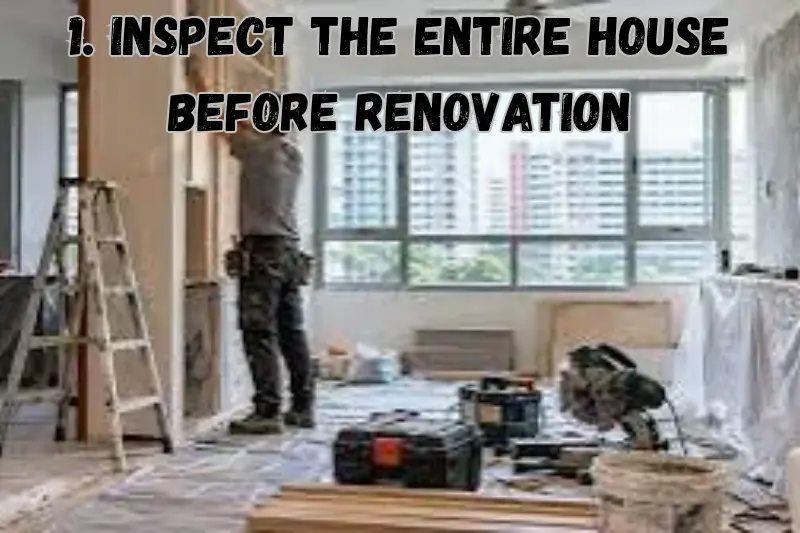
The first step in renovating an old property is understanding its current condition. Before choosing paint colors, furniture, flooring, or decorative features, inspect the structure and major systems.
Older houses may have hidden problems that are not immediately visible. A beautiful interior cannot compensate for serious structural or safety issues.
Pay attention to these areas:
- Foundation: Look for unusual cracks, uneven floors, and signs of movement.
- Roof: Check for damaged roofing materials, leaks, and weak sections.
- Walls and ceilings: Identify moisture stains, peeling paint, and cracks.
- Electrical wiring: Determine whether the electrical system needs professional inspection or replacement.
- Plumbing: Check for leaking pipes, low water pressure, and drainage problems.
- Windows and doors: Inspect frames, locks, seals, and overall condition.
Consider hiring qualified professionals to inspect structural elements, electrical installations, plumbing, and other essential systems. Their advice can help you identify problems before they become expensive.
2. Create a Realistic Renovation Budget
Budget planning is one of the most important old house renovation tips because older properties can require unexpected repairs. Even a carefully planned renovation may reveal additional work after walls, floors, or ceilings are opened.
Start by listing every renovation task and estimating its cost. Separate essential repairs from optional improvements.
Your budget may include:
- Structural repairs
- Roofing and waterproofing
- Electrical upgrades
- Plumbing improvements
- Wall and ceiling repairs
- Flooring replacement
- Kitchen and bathroom updates
- Painting and decoration
- Doors and window improvements
- Labor and professional fees
It is also wise to keep a contingency fund for unexpected expenses. The amount will depend on the property’s age, condition, and renovation scope, but setting aside around 10–20% of the estimated budget can provide a useful starting point.
Avoid spending most of your budget on decorative upgrades before checking the home’s essential systems.
3. Repair Structural Problems First
Structural safety should always come before cosmetic improvements. Old houses may develop foundation movement, damaged support elements, deteriorating masonry, or weakened roof structures.
Some cracks are minor, but others may indicate more serious problems. Similarly, sagging floors or doors that suddenly stop closing properly may require professional attention.
Important structural areas include:
- Foundation and load-bearing walls
- Roof supports and ceiling structures
- Floor joists and subflooring
- Exterior walls
- Stairs and supporting structures
Never remove a wall or modify a structural element without confirming whether it is load-bearing and obtaining appropriate professional guidance.
Once structural concerns have been addressed, you can move forward with interior design and finishing work more confidently.
4. Upgrade Old Electrical Systems
Electrical systems in older homes may not be suitable for modern appliances, lighting, heating, cooling, and technology requirements.
Outdated wiring, overloaded circuits, damaged switches, and insufficient outlets can create safety concerns. A qualified electrician should inspect the system and recommend necessary upgrades.
Consider improving:
- Electrical panels and circuit protection
- Damaged or outdated wiring
- Wall outlets and switches
- Indoor and outdoor lighting
- Grounding and safety systems
- Electrical capacity for modern appliances
Avoid attempting complex electrical work yourself. Professional installation helps ensure that the system meets applicable safety requirements and local building regulations.
5. Improve Old Plumbing and Drainage
Plumbing problems are common in older properties. Aging pipes, leaking connections, blocked drains, and outdated fixtures can affect daily comfort and cause damage to walls, floors, and ceilings.
Before replacing bathroom or kitchen fixtures, inspect the entire plumbing system.
Useful improvements include:
- Repairing leaking pipes
- Replacing severely deteriorated plumbing
- Improving drainage
- Installing modern water-efficient fixtures
- Fixing low water pressure
- Checking water heaters and connections
Pay special attention to hidden leaks because moisture behind walls or under floors can lead to additional repair costs.
6. Restore Original Features Instead of Removing Everything
One advantage of an old house is its original character. Traditional wooden doors, decorative ceilings, vintage tiles, wooden floors, and architectural details can make a property feel unique.
Instead of removing every old feature, identify which elements can be repaired and preserved.
For example:
- Refinish original wooden doors.
- Restore decorative molding.
- Repair traditional flooring where practical.
- Preserve attractive ceiling details.
- Refresh original staircases.
- Restore suitable vintage hardware.
However, not every original feature should be kept. Damaged, unsafe, or unsuitable materials may need replacement. The goal is to balance preservation with modern comfort and safety.
7. Modernize the Kitchen Without Changing Everything
The kitchen is one of the most frequently used spaces in a home. An outdated kitchen can make everyday tasks difficult, but a complete replacement is not always necessary.
A few carefully selected improvements can make a significant difference.
Consider these kitchen renovation ideas:
- Repaint or refinish existing cabinets.
- Replace damaged cabinet handles.
- Install a practical countertop.
- Improve task lighting.
- Add organized storage.
- Upgrade old faucets and sinks.
- Improve ventilation.
- Replace damaged flooring.
If the existing kitchen layout works well, keeping the main plumbing and appliance locations may help control renovation expenses.
Focus on creating enough workspace, convenient storage, and good lighting.
8. Refresh Bathrooms for Better Comfort
Older bathrooms may have outdated fixtures, damaged tiles, poor ventilation, and inefficient plumbing. Renovating this space can improve both appearance and everyday functionality.
Start by checking waterproofing, drainage, plumbing, and ventilation. These areas are more important than decorative finishes.
Practical bathroom improvements include:
- Replacing damaged tiles.
- Updating faucets and shower fixtures.
- Improving ventilation.
- Installing a modern vanity.
- Adding practical storage.
- Improving lighting.
- Replacing worn-out bathroom fittings.
Make sure wet areas are properly waterproofed before installing new finishes. Poor waterproofing can cause moisture damage and expensive repairs later.
9. Replace or Repair Old Windows
Windows influence natural lighting, ventilation, indoor comfort, and energy efficiency. Old windows may have damaged frames, loose fittings, broken glass, or gaps that allow unwanted air and moisture inside.
Inspect each window before deciding whether it needs repair or replacement.
Useful improvements include:
- Repairing damaged frames.
- Replacing broken glass.
- Improving window seals.
- Fixing locks and hinges.
- Adding suitable curtains or blinds.
- Choosing energy-efficient replacement windows when appropriate.
If original windows have historical or architectural value, restoration may be preferable to replacement, provided they remain safe and functional.
10. Improve Insulation and Energy Efficiency
Many older houses were built before modern energy-efficiency standards became common. As a result, they may have poor insulation, air leaks, and inefficient cooling or heating systems.
Improving energy efficiency can make indoor spaces more comfortable and help control utility expenses.
Consider the following upgrades:
- Seal gaps around doors and windows.
- Improve roof or ceiling insulation.
- Use energy-efficient lighting.
- Maintain air-conditioning equipment.
- Install suitable window coverings.
- Improve ventilation.
- Choose energy-efficient appliances.
In hot climates, roof insulation, shaded windows, reflective roofing materials, and proper ventilation can help reduce indoor heat.
Choose improvements according to your local climate and the building’s construction.
11. Repair Walls and Ceilings Properly
Old walls and ceilings often show signs of aging. Peeling paint, uneven surfaces, cracks, and moisture stains can make rooms appear neglected.
However, painting over every problem is not a permanent solution.
First, identify the reason behind the damage. If moisture is present, repair the leak or drainage problem before applying new finishes.
Once the underlying issue is resolved:
- Remove loose or damaged finishing materials.
- Repair suitable cracks and surface defects.
- Allow repaired areas to dry properly.
- Prepare surfaces for painting.
- Apply an appropriate primer.
- Finish with suitable interior paint.
For older properties, consider whether existing coatings or building materials require specialist assessment before sanding, drilling, or removal.
12. Choose Flooring That Matches the House
Flooring has a major impact on the overall appearance of a renovated home. Older properties may have wooden floors, traditional tiles, concrete surfaces, or damaged flooring materials.
Before replacing everything, inspect the original flooring.
If it is structurally sound, restoration may be more affordable and preserve the property’s character.
Other suitable flooring options include:
- Ceramic tiles
- Porcelain tiles
- Engineered wood
- Quality laminate flooring
- Natural stone
- Modern vinyl flooring
Consider durability, maintenance, moisture resistance, and the room’s purpose before selecting materials.
For kitchens and bathrooms, choose flooring that is appropriate for wet conditions and provides suitable slip resistance.
13. Improve Natural Lighting
Older houses sometimes have dark rooms, small windows, heavy curtains, or layouts that limit natural light.
Improving lighting can make interiors feel more comfortable and welcoming.
Try these ideas:
- Use light-colored wall finishes.
- Keep windows clean and unobstructed.
- Choose lighter window coverings.
- Add mirrors where appropriate.
- Replace outdated light fixtures.
- Use layered lighting in darker rooms.
Avoid making major changes to exterior walls or window openings without checking structural requirements and local regulations.
14. Make Better Use of Available Space
Some older homes have separate rooms and layouts that may not match modern living needs. You can improve functionality without necessarily changing the entire floor plan.
Start by identifying areas that are difficult to use.
Practical space improvements include:
- Adding built-in storage.
- Improving furniture placement.
- Creating a small study area.
- Using unused corners.
- Improving hallway organization.
- Updating room entrances where practical.
Open-plan layouts may work well for some households, but they are not suitable for every property. Before removing walls, consider privacy, ventilation, structural support, and the way each room is used.
15. Update the Exterior of the House
The exterior creates the first impression of a property. Even when the interior is beautifully renovated, damaged exterior walls, old paint, broken pathways, and neglected entrances can make the house look unfinished.
Exterior improvements should begin with repairs and protection.
Consider:
- Repairing damaged exterior plaster.
- Repainting walls with suitable weather-resistant paint.
- Fixing gutters and downpipes.
- Improving outdoor lighting.
- Repairing the main entrance.
- Cleaning exterior surfaces safely.
- Maintaining boundary walls and gates.
- Improving drainage around the building.
Choose exterior materials according to local weather conditions. Products suitable for dry climates may not perform well in areas with heavy rainfall or high humidity.
16. Improve the Roof and Waterproofing
Roof maintenance is especially important in an old house. Small leaks can gradually damage ceilings, insulation, walls, and electrical systems.
Before starting interior finishing work, inspect the roof and identify signs of water penetration.
Important tasks include:
- Repairing damaged roofing materials.
- Checking roof joints and flashing.
- Cleaning suitable drainage channels.
- Fixing leaking connections.
- Inspecting ceiling areas for moisture.
- Improving waterproofing where required.
A qualified roofing professional can help determine whether repairs are sufficient or a larger replacement is necessary.
Do not ignore recurring damp patches. Decorative paint cannot solve an underlying roof leak.
17. Use a Consistent Interior Design Style
A successful renovation should make the house feel connected rather than like a collection of unrelated updates.
Choose an overall design direction before selecting finishes and furniture.
Popular approaches include:
Modern Traditional Style: Combines original architectural features with contemporary furniture, lighting, and practical finishes.
Minimalist Style: Uses simple furniture, uncluttered spaces, and a limited color palette.
Contemporary Style: Focuses on clean lines, functional layouts, and modern materials.
Classic Style: Preserves traditional details and uses timeless colors, textures, and furniture.
You do not have to follow one style strictly. The important thing is to select materials and colors that work together throughout the home.
18. Choose Durable and Suitable Materials
Material selection can affect the long-term performance of a renovation. The cheapest option is not always the most economical if it requires frequent repairs or replacement.
When comparing materials, consider:
- Expected lifespan
- Maintenance requirements
- Moisture resistance
- Climate suitability
- Installation costs
- Availability of replacement parts
- Safety and environmental requirements
For example, moisture-resistant materials may be important in bathrooms and kitchens, while exterior finishes should be able to withstand local weather conditions.
Ask contractors about product specifications and warranties before making major purchases.
19. Renovate One Area at a Time
If you are working with a limited budget, renovating the entire property at once may not be practical.
A phased renovation allows you to prioritize essential work and manage expenses more carefully.
A useful order is:
- Structural repairs and safety concerns.
- Roof repairs and waterproofing.
- Electrical and plumbing upgrades.
- Windows, doors, and insulation.
- Kitchen and bathroom improvements.
- Flooring, walls, and ceilings.
- Painting and decorative finishing.
This order may change depending on the property’s condition, but essential repairs should generally come before cosmetic improvements.
20. Hire Experienced Renovation Professionals
An old house can contain construction methods and materials that require specialist knowledge. Choosing experienced professionals can help prevent mistakes and improve the quality of the finished work.
Depending on the project, you may need:
- An architect or building designer
- A structural engineer
- A licensed electrician
- A qualified plumber
- A roofing specialist
- A waterproofing contractor
- Experienced carpenters and painters
Before hiring anyone, review previous projects, discuss the scope of work, and request a written estimate.
Make sure responsibilities, materials, payment stages, timelines, and warranties are clearly understood.
Avoid selecting a contractor based only on the lowest quotation.
21. Check Building Regulations and Permits
Some renovation projects require permits, inspections, or professional approvals. Requirements vary depending on your location, property type, and the scale of the work.
Projects involving structural changes, extensions, major electrical upgrades, plumbing modifications, or changes to protected buildings may require additional approval.
Before beginning construction, check applicable local building regulations.
If the house is historically protected, additional restrictions may apply to exterior changes and original architectural features.
Following the correct process can prevent delays, legal issues, and expensive modifications later.
22. Avoid Common Old House Renovation Mistakes
Even a well-planned project can become expensive when important details are overlooked.
Here are common mistakes homeowners should avoid:
Ignoring Hidden Damage: Covering damp walls or damaged flooring without fixing the underlying issue can create bigger problems.
Starting Without a Budget: Renovation costs can increase quickly when there is no clear spending plan.
Choosing Cheap Materials: Low-quality materials may require frequent repairs and replacement.
Removing Original Features: Replacing everything can remove the character that makes an old property special.
Hiring Without Research: Inexperienced contractors may create delays, poor workmanship, or additional expenses.
Skipping Professional Inspections: Structural, electrical, and plumbing problems should be assessed before major work begins.
Focusing Only on Appearance: A renovated house should be safe and functional, not just attractive.
Avoiding these mistakes can make the renovation process more organized and predictable.
23. How to Renovate an Old House on a Limited Budget
You do not need to replace every feature to improve an older property. A practical renovation plan can focus on the improvements that provide the greatest value.
Start with repairs that protect the building. Then prioritize upgrades that improve comfort and everyday use.
Some budget-conscious ideas include:
- Repainting suitable walls and ceilings.
- Repairing existing cabinets.
- Restoring doors and handles.
- Replacing damaged light fixtures.
- Improving storage with simple solutions.
- Repairing rather than replacing suitable flooring.
- Updating faucets and bathroom accessories.
- Sealing air leaks around windows and doors.
- Improving outdoor cleanliness and landscaping.
Compare several quotations for major work and avoid unnecessary design changes during construction.
You can also purchase materials in stages, provided this does not delay essential work or create compatibility problems.
24. Preserve the Character of Your Old Home
The beauty of an older property often comes from details that cannot easily be recreated in a new building.
Instead of treating every old feature as outdated, identify elements that add value and personality.
These might include:
- Traditional wooden doors
- Original staircases
- Decorative wall panels
- Vintage tiles
- High ceilings
- Traditional window designs
- Unique exterior details
Preservation does not mean keeping everything exactly as it is. You can combine original features with modern lighting, comfortable furniture, efficient appliances, and improved safety systems.
This balanced approach can create a home that feels both timeless and practical.
Frequently Asked Questions About Old House Renovation Tips
1. What should I renovate first in an old house?
Start with structural safety, roof condition, waterproofing, electrical systems, and plumbing. Once essential problems are addressed, move on to kitchens, bathrooms, flooring, painting, and decorative improvements.
2. Is renovating an old house worth it?
Renovating an old house can be worthwhile when the structure is suitable, the location meets your needs, and the renovation cost makes financial sense. A professional inspection and realistic budget can help you evaluate the property.
3. How can I renovate an old house on a low budget?
Focus on essential repairs, restore usable original features, repaint suitable surfaces, improve lighting, repair cabinets, and replace only damaged materials. Avoid unnecessary layout changes and expensive decorative upgrades.
4. How do I make an old house look modern?
You can create a modern appearance with fresh paint, updated lighting, practical storage, modern fixtures, improved flooring, and carefully selected furniture. Preserve attractive original details to maintain the home’s character.
5. Should I replace old windows during renovation?
Not always. If existing windows are structurally sound, repairing frames and improving seals may be sufficient. Replace windows when they are severely damaged, unsafe, or unable to meet your functional requirements.
6. How do I deal with damp walls in an old house?
First, identify the source of moisture. It may come from roof leaks, plumbing problems, poor drainage, or moisture entering through exterior walls. Fix the cause before repairing plaster or applying paint.
7. Can I renovate an old house room by room?
Yes. A phased approach can make the project easier to manage financially. However, plan major electrical, plumbing, structural, and waterproofing work carefully so that completed rooms do not need to be disturbed later.
8. What are the most expensive parts of old house renovation?
Structural repairs, roof replacement, foundation work, major plumbing changes, electrical upgrades, and extensive kitchen or bathroom renovations can represent significant expenses. Actual costs depend on the property’s condition and local labor and material prices.
9. How can I preserve an old house’s original appearance?
Restore suitable original doors, flooring, windows, decorative molding, and other architectural details. Combine them with modern systems and carefully selected finishes to improve comfort without losing the property’s character.
10. Do I need an architect for an old house renovation?
An architect may be helpful for major layout changes, extensions, design planning, and projects involving historical features. Structural engineers and qualified tradespeople may also be needed for specialized work.
Conclusion
Renovating an older property requires patience, planning, and attention to detail. The best old house renovation tips focus on improving safety and functionality while preserving the features that give the home its unique character.
Start with a complete inspection, create a realistic budget, and address structural, electrical, plumbing, and waterproofing problems before cosmetic upgrades. Then improve kitchens, bathrooms, flooring, lighting, storage, and exterior finishes according to your needs.
Remember that a successful renovation is not about making every part of an old house look brand new. It is about creating a comfortable, safe, attractive, and functional living space while respecting the property’s original charm.
With the right priorities and experienced professionals, an old house can become a beautiful home that serves your family for many years.
