


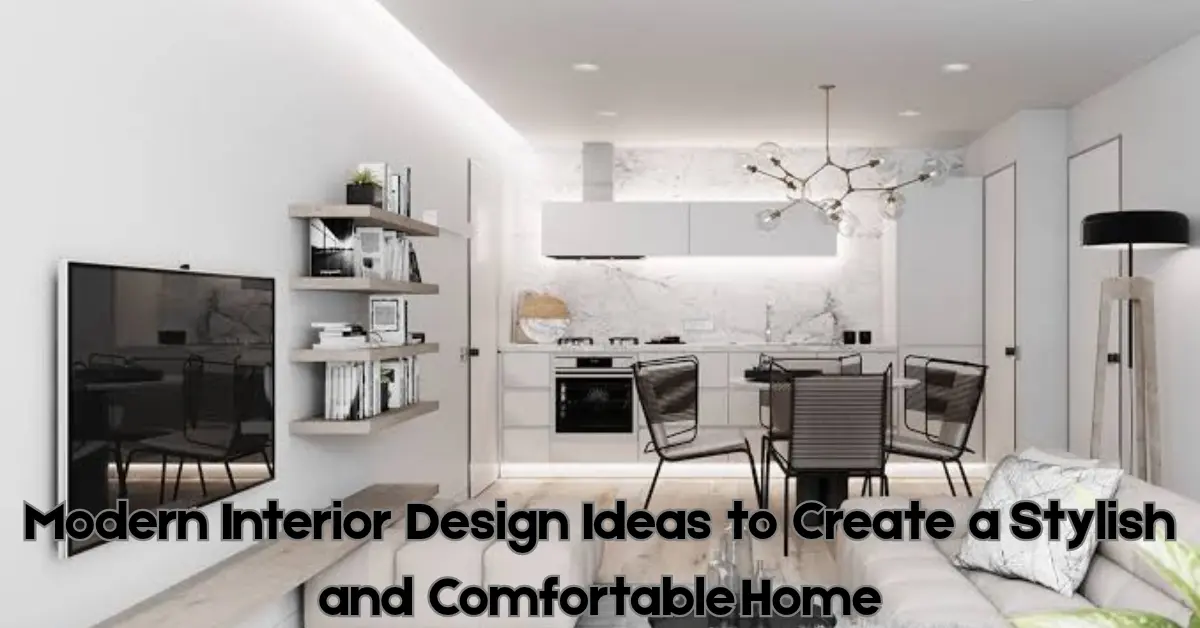
Modern interior design ideas can help you transform any living space into a stylish, comfortable, and functional home. Whether you live in a small apartment, a spacious house, or a newly built property, the right design choices can make your rooms look more organized, attractive, and welcoming. Modern interiors focus on simplicity, practical furniture, balanced colors, natural light, and carefully selected decorative elements.
You do not need an expensive renovation to create a modern-looking home. Small changes, such as updating your lighting, choosing neutral colors, adding textured fabrics, or rearranging furniture, can make a noticeable difference. The key is to understand your space, identify your needs, and choose designs that match your lifestyle.
In this article, we will explore practical modern interior design ideas for living rooms, bedrooms, kitchens, bathrooms, and other areas of your home. You will also discover popular color combinations, furniture choices, lighting techniques, affordable decorating tips, and common mistakes to avoid.
What Are Modern Interior Design Ideas?
Modern interior design ideas are decorating and planning approaches that emphasize clean lines, functional layouts, simple forms, and a balanced appearance. They aim to create spaces that look attractive without unnecessary clutter or excessive decoration.
Modern design is often associated with neutral color palettes, open spaces, natural materials, contemporary furniture, and carefully planned lighting. However, it does not mean every room must look plain or use only white, gray, and black. You can introduce warm colors, bold accents, artwork, and personal accessories while maintaining a modern appearance.
A successful modern interior combines beauty with everyday usability. For example, a living room may feature a comfortable sofa, a simple coffee table, layered lighting, and storage that keeps everyday items organized. Every element serves a purpose while contributing to the overall design.
Key Characteristics of Modern Interior Design
Several features commonly appear in modern interiors:
- Clean lines: Furniture and architectural details often have simple, defined shapes.
- Functional layouts: Rooms are arranged to support comfortable movement and daily activities.
- Balanced colors: Neutral shades are frequently combined with natural tones or accent colors.
- Natural materials: Wood, stone, glass, metal, and textured fabrics add depth and character.
- Practical lighting: Natural light and thoughtfully positioned fixtures improve the atmosphere.
- Minimal clutter: Decorations are selected carefully rather than filling every available surface.
- Personal touches: Artwork, books, plants, and meaningful accessories make the space feel lived-in.
These characteristics provide a useful starting point, but modern interiors can still reflect different personalities, cultural preferences, and budgets.
1. Choose a Balanced and Modern Color Palette
Color is one of the most important elements of interior design. The colors you select influence how a room feels, how spacious it appears, and how well different furniture pieces work together.
One of the simplest modern interior design ideas is to create a consistent color palette before purchasing furniture or accessories. This helps your rooms feel coordinated instead of visually disconnected.
Use Neutral Colors as a Foundation
Neutral colors are popular in modern homes because they create a calm background for furniture, artwork, and decorative details.
Consider these options:
- Warm white for walls and ceilings.
- Beige for a comfortable and inviting atmosphere.
- Light gray for a contemporary appearance.
- Cream for a soft and welcoming interior.
- Taupe for a combination of warmth and sophistication.
You can use one primary neutral shade throughout your home and introduce complementary colors in individual rooms. This approach creates visual consistency without making every room identical.
Add Accent Colors for Personality
A neutral room can sometimes feel too simple if every surface uses the same shade. Accent colors help introduce character without overwhelming the space.
Popular choices include olive green, navy blue, terracotta, muted mustard, and deep brown. These colors can appear in cushions, curtains, rugs, artwork, decorative vases, or a single feature wall.
For example, a beige living room can feel more interesting with olive-green cushions, a wooden coffee table, and a textured cream rug. A white bedroom may look warmer with terracotta accessories and natural wood furniture.
Consider Lighting Before Finalizing Colors
Paint colors can appear different depending on natural light, artificial lighting, and the direction a room faces. A gray shade may look cool in one room but warmer in another.
Before painting an entire wall, test a small sample and observe it during different times of the day. This simple step can help you avoid choosing a color that looks different from what you expected.
2. Create a Welcoming Modern Living Room
The living room is often the main gathering area in a home. It should feel comfortable for everyday relaxation while remaining suitable for entertaining guests.
Modern living room design focuses on furniture arrangement, practical lighting, comfortable seating, and a balanced combination of textures.
Select Furniture With Simple Shapes
Choose a sofa that fits your room without blocking walkways or making the space feel crowded. Straight lines, gently curved forms, and uncomplicated designs can all work well in modern interiors.
A large room may accommodate a sectional sofa, while a smaller living room may benefit from a compact two- or three-seat sofa. Consider how many people regularly use the space before selecting the size.
Pair the sofa with a coffee table that leaves enough room for comfortable movement. Round tables can soften rooms filled with rectangular furniture, while simple rectangular tables can complement longer seating arrangements.
Create a Clear Focal Point
A focal point gives the room a visual center. It might be a television wall, a fireplace, a large piece of artwork, or a window with an attractive view.
Arrange seating so that the focal point feels intentional without making conversation difficult. If your living room is primarily used for social gatherings, consider positioning chairs and sofas so people can comfortably face one another.
Avoid placing too many decorative objects around the focal point. A few carefully selected items usually create a cleaner and more balanced result.
Use Rugs to Define the Seating Area
A rug can visually connect the sofa, chairs, and coffee table. It can also introduce texture, color, and warmth to a room with hard flooring.
Choose a size that relates to your furniture arrangement. Ideally, the rug should be large enough to connect the main seating pieces rather than appearing like a small isolated mat in the center of the room.
For a modern look, consider subtle geometric patterns, textured neutral rugs, or designs that introduce one accent color from the rest of the interior.
3. Make Small Rooms Feel More Open
Small homes and apartments require thoughtful planning because every square foot matters. Modern interior design ideas for small spaces focus on maximizing functionality, improving light, and reducing visual clutter.
A small room does not need to contain less personality. It simply needs furniture and accessories that work efficiently.
Choose Furniture That Fits the Room
Oversized furniture can make a compact space feel cramped. Before buying a sofa, bed, dining table, or storage cabinet, measure the room and consider how people will move around it.
Furniture with raised legs can create a sense of openness because more of the floor remains visible. Slim side tables and compact chairs may also work better than bulky alternatives.
Avoid filling every corner simply because space is available. Leaving some areas open can make a room feel calmer and easier to navigate.
Use Mirrors Strategically
Mirrors can reflect natural and artificial light, helping a room appear brighter. A large mirror placed opposite or near a window may distribute light more effectively throughout the space.
You can also use mirrored wardrobe doors or a simple decorative mirror in an entryway. Choose a placement that reflects an attractive part of the room rather than cluttered storage or an unwanted view.
Mirrors do not physically increase room size, but their reflections can create a greater sense of visual depth.
Take Advantage of Vertical Space
When floor space is limited, walls become especially valuable. Floating shelves, tall cabinets, wall-mounted lights, and vertical storage can help keep belongings organized.
For example, a narrow bookshelf can store books and decorative objects without taking up the same floor area as a wide cabinet. Wall-mounted bedside shelves can also be useful in smaller bedrooms.
Keep frequently used items within easy reach and reserve higher shelves for objects that are used less often.
4. Design a Calm and Comfortable Modern Bedroom
A bedroom should support rest, comfort, and privacy. Modern bedroom design combines simple furniture, soothing colors, appropriate lighting, and practical storage.
The goal is not to make the room look like a hotel. Instead, create a personal environment that feels comfortable and organized.
Choose a Simple Bed Design
A bed usually occupies the largest amount of space in a bedroom, making it a natural focal point.
Upholstered headboards, wooden bed frames, and simple platform beds can all complement modern interiors. Choose a design that suits your room size and existing furniture.
If storage is limited, consider a bed frame with drawers or accessible under-bed storage. This can help organize extra bedding, seasonal clothing, and other belongings.
Layer Bedding for a Finished Appearance
Layered bedding adds visual interest without requiring elaborate decoration. Start with comfortable sheets, add a duvet or blanket, and finish with a few cushions that coordinate with the room.
Mixing textures can make a neutral bedroom feel more inviting. Cotton, linen, knitted fabrics, and subtle woven patterns can work together when their colors remain balanced.
You do not need numerous cushions or decorative blankets. A few thoughtfully selected pieces can create a polished look while keeping the bed practical for daily use.
Use Soft and Adjustable Lighting
Bright overhead lighting is useful for cleaning and organizing, but it may feel too strong when you are preparing to relax.
Consider bedside lamps, wall-mounted reading lights, or dimmable fixtures where practical. Warm-toned lighting can create a comfortable atmosphere, while task lighting helps with reading and other activities.
If you use different lighting sources, choose bulbs with compatible color temperatures so the room feels coordinated rather than uneven.
5. Upgrade Your Kitchen With Modern Design
A modern kitchen should look attractive while making cooking, cleaning, and storage easier. Good design depends on the relationship between work surfaces, appliances, cabinets, lighting, and movement.
Even if you cannot replace the entire kitchen, smaller improvements can make it feel more contemporary.
Choose Simple Cabinet Designs
Flat-front cabinets and understated handles are common in modern kitchens because they create a clean appearance. However, traditional-style cabinet doors can also work in a modern home when paired with restrained colors and updated hardware.
White, beige, gray, muted green, and natural wood finishes are versatile choices. Dark cabinets can look striking, particularly when balanced with lighter walls, countertops, or backsplashes.
Before choosing a finish, consider how easily it shows fingerprints, dust, and water marks.
Improve Countertop Organization
Crowded countertops can make even a recently renovated kitchen appear disorganized. Store frequently used appliances together and keep enough clear space for food preparation.
Use drawer dividers, cabinet organizers, and designated storage areas for cooking tools. A small tray can group items that need to remain on the counter, such as cooking oil or frequently used seasonings.
The objective is to make everyday tasks easier rather than hide every useful object.
Add Practical Task Lighting
Kitchen lighting should support both safety and convenience. Ceiling fixtures provide general illumination, while under-cabinet lights can brighten work surfaces.
Pendant lights may work well above an island or dining counter, provided they are positioned at an appropriate height and do not interfere with movement or visibility.
Choose fixtures that complement your cabinet finishes and overall interior style.
6. Transform Your Bathroom Into a Modern Retreat
Modern bathroom design emphasizes cleanliness, practical storage, durable materials, and comfortable lighting. You can achieve a refreshed appearance without necessarily replacing every fixture.
Use a Consistent Material Palette
Combining too many tile patterns, metal finishes, and colors can make a small bathroom feel visually busy.
Choose a main tile style and complement it with a limited number of additional materials. Light-colored tiles can help a bathroom feel brighter, while wood-look finishes may introduce warmth.
Stone-look surfaces, simple geometric tiles, and understated patterns can all work well in contemporary bathrooms.
Improve Storage and Organization
Bathroom counters often become crowded with toiletries, skincare products, and cleaning supplies. Wall-mounted cabinets, vanity drawers, and recessed shelves can help keep these items organized.
Use containers for smaller essentials and keep frequently used products accessible. Store cleaning supplies separately and follow the safety instructions on their packaging.
A well-organized bathroom is easier to clean and often feels more spacious.
Select Appropriate Mirrors and Lighting
A mirror with a simple frame can complement a modern vanity. If space permits, a wider mirror can also improve the sense of openness.
Use suitable lighting around the mirror for grooming tasks. Bathroom electrical fixtures should be appropriate for the installation location and moisture exposure, and electrical work should be completed by a qualified professional when necessary.
Good lighting should improve visibility without creating uncomfortable glare.
7. Bring Nature Indoors With Natural Materials
Natural materials are an effective way to add warmth and texture to modern interiors. They help balance smooth surfaces, metal accents, and simple furniture shapes.
Wood, stone, cotton, linen, wool, and woven materials can make a room feel more comfortable without introducing unnecessary decoration.
Incorporate Wood Finishes
Wood can appear in flooring, furniture, shelving, wall details, and decorative accessories. Light wood often creates a relaxed appearance, while darker finishes can introduce richness and contrast.
You do not need to use the same wood finish everywhere. Instead, choose finishes that share compatible undertones and repeat them in a few places to create consistency.
For example, a light wood coffee table may coordinate with dining chairs or floating shelves without matching every piece exactly.
Add Indoor Plants
Indoor plants can introduce color, natural texture, and visual interest. A plant placed near a window may soften a bare corner, while a smaller plant can decorate a desk or shelf.
Choose plants according to the available light, humidity, and level of care you can provide. If your room receives limited sunlight, research varieties that tolerate lower-light conditions rather than placing a sun-loving plant in a dark corner.
Use planters that complement your interior. Ceramic, terracotta, and simple textured pots can all work well.
Mix Textures Carefully
A modern room can feel flat if every surface is smooth and similar. Texture adds depth without requiring bright colors or elaborate patterns.
Consider pairing a smooth coffee table with a woven rug, linen curtains, a knitted throw, and a matte ceramic vase. Each material contributes a different visual quality.
Keep the overall palette coordinated so that the room feels layered rather than cluttered.
8. Use Lighting to Change the Atmosphere
Lighting affects how colors appear, how comfortable a room feels, and how effectively different areas can be used.
One of the most useful modern interior design ideas is to plan lighting in layers rather than relying entirely on one ceiling fixture.
Understand Three Types of Lighting
Ambient lighting provides general illumination. It may come from ceiling fixtures, recessed lights, or other broad light sources.
Task lighting supports specific activities. Examples include reading lamps, kitchen worktop lights, and desk lamps.
Accent lighting highlights selected features, such as artwork, architectural details, shelves, or decorative objects.
Combining these types can make a room more flexible. For instance, a living room can use ceiling lights for general activities, a floor lamp beside the sofa for reading, and a smaller accent light to highlight artwork.
Make Better Use of Natural Light
Natural light can make interiors feel brighter and more welcoming. Avoid placing large pieces of furniture directly in front of windows when doing so blocks useful daylight.
Light curtains can provide privacy while allowing some daylight to pass through. In rooms where strong sunlight creates heat or glare, suitable blinds or layered window treatments can provide better control.
Keep windows clean and consider how furniture placement affects the distribution of daylight.
Select Fixtures That Match the Interior
Modern lighting fixtures come in many styles, including simple pendants, sculptural ceiling lights, slim floor lamps, and understated wall sconces.
Choose fixtures based on room size, ceiling height, lighting requirements, and the appearance of surrounding furniture.
A dramatic light fixture can become a focal point, but it should not overwhelm a small room or interfere with practical use.
9. Choose Modern Furniture That Combines Style and Function
Furniture influences the appearance, comfort, and usability of every room. The best modern furniture is not necessarily the most expensive or fashionable. It is furniture that suits your space and supports the way you live.
Prioritize Comfort and Proportion
Before purchasing furniture, measure the available area and check the dimensions of the item. Consider doorways, stairs, lifts, and narrow hallways if the furniture must be moved into an apartment or upper floor.
A beautiful sofa may be unsuitable if it blocks a doorway or leaves too little room to walk. Similarly, a dining table should provide enough seating without restricting movement around the room.
Whenever possible, test seating comfort and examine the durability of materials before buying.
Consider Multifunctional Furniture
Multifunctional furniture is especially useful in apartments, shared bedrooms, and small homes.
Examples include:
- Storage beds that provide additional space for bedding.
- Extendable dining tables for occasional guests.
- Ottomans that provide seating and hidden storage.
- Desks that can function as compact workstations.
- Nesting tables that can be separated when needed.
- Sofa beds for occasional overnight visitors.
These items can improve flexibility without requiring additional rooms.
Mix Furniture Styles Thoughtfully
Modern interiors do not need to contain furniture from a single collection. Combining different styles can make a home feel more personal.
For example, a contemporary sofa may work well with a vintage wooden side table. A simple dining table can be paired with chairs that have slightly different shapes but complementary finishes.
To maintain a cohesive appearance, repeat a few colors, materials, or design features throughout the room.
10. Create an Attractive Feature Wall
A feature wall adds emphasis to a room without requiring every wall to be decorated. It can be useful in living rooms, bedrooms, dining areas, and entryways.
The most successful feature walls support the room’s existing design rather than compete with it.
Try Paint or Subtle Wallpaper
A contrasting paint color is one of the simplest ways to create a feature wall. Deep green, muted blue, warm brown, or a darker neutral can add depth to a room with lighter surrounding walls.
Wallpaper can introduce a pattern or texture, but it is important to consider scale. Large patterns may dominate small rooms, while subtle patterns can provide interest without overwhelming the space.
Always test paint colors and examine wallpaper samples under your room’s lighting before committing.
Consider Wood Slats or Textured Panels
Wood slats and decorative wall panels can add architectural interest to an otherwise plain wall. They may work behind a television, behind a bed, or in an entryway.
Choose materials that suit the room’s conditions and maintenance requirements. Kitchens and bathrooms may require moisture-resistant materials, while bedroom feature walls offer more flexibility.
Use panels selectively. Covering every wall with decorative treatments can make the interior feel busy and may increase renovation costs unnecessarily.
Display Artwork With Intention
Artwork can create a focal point and introduce personality. One large piece may work better than several small items in a compact room.
If you prefer a gallery wall, arrange the frames thoughtfully and maintain consistent spacing. You can mix photographs, illustrations, and abstract artwork as long as the collection feels visually connected.
Choose artwork that you genuinely enjoy rather than selecting pieces solely because they match a current trend.
11. Modern Interior Design Ideas for Open-Plan Homes
Open-plan homes combine two or more functions within a shared area. A kitchen may open into a dining space, which then connects to the living room.
This arrangement can make a home feel more connected, but it also requires careful planning to ensure that each area remains functional.
Define Zones Without Building Walls
Furniture placement, rugs, lighting, and changes in materials can help separate different activities.
For example, a sofa can establish the boundary between a living area and a dining space. A rug can define the seating arrangement, while pendant lighting can emphasize the dining table.
These elements create visual organization without closing off the room.
Maintain a Consistent Design Language
Because open-plan spaces are visible from multiple angles, different areas should feel related. This does not mean every item must match.
Repeat selected materials, finishes, and colors. For instance, wooden dining chairs may coordinate with the living room’s coffee table, while similar metal finishes can connect lighting fixtures across the space.
Use accent colors selectively to give each zone its own character without making the overall interior feel disconnected.
Manage Noise and Privacy
Open-plan layouts can allow sound to travel easily between areas. Rugs, curtains, upholstered furniture, and fabric-covered accessories may help soften sound within a room.
If someone regularly works from home, consider creating a dedicated desk area away from the busiest part of the living space. A screen or bookcase may offer some visual separation without requiring a permanent wall.
12. Design a Modern Home Office
A home office should support concentration, comfort, and organization. It does not need to occupy an entire room; a carefully planned corner can work well for many people.
Select a Practical Desk and Chair
Choose a desk with enough space for your computer, essential accessories, and work materials. The size should fit the room while leaving sufficient space to move comfortably.
A supportive chair and an appropriate desk height can make daily work more comfortable. Position the screen and keyboard so you can maintain a relaxed working posture.
If you work for long periods, take regular movement breaks and adjust your setup to suit your needs.
Keep Cables and Accessories Organized
Visible cables and scattered accessories can make a workspace look cluttered. Cable clips, desk organizers, and storage boxes can help maintain order.
Keep frequently used items within reach and store less frequently used supplies elsewhere. A small shelf above or beside the desk may provide extra storage without reducing the available work surface.
Add Personal Details Without Creating Distractions
Artwork, a plant, or a small decorative object can make a home office more inviting. However, too many accessories may compete for attention.
Choose a few items that make the space pleasant while preserving enough clear desk area for productive work.
13. Improve Your Entryway With Simple Modern Details
The entryway creates the first impression of your home. Even a small entrance can feel organized and welcoming when it includes practical storage and thoughtful design.
Add Functional Storage
A narrow console, wall-mounted hooks, or a small shoe cabinet can help organize everyday belongings. Choose furniture that leaves enough space for people to enter and exit comfortably.
If your entrance is very small, use vertical storage instead of a bulky cabinet. A small tray can hold keys and other frequently used items.
Use a Mirror and Suitable Lighting
A mirror can make an entryway feel brighter and provide a convenient place to check your appearance before leaving.
A ceiling fixture or wall light can improve visibility, particularly in entrances with limited natural light. Choose a fixture that fits the scale of the space.
Keep Decorations Simple
A small vase, framed artwork, or attractive bowl can add personality without overcrowding the entrance. Leave enough clear space for everyday movement and avoid placing decorative objects where they can easily be knocked over.
14. Add Personality Through Decorative Accessories
Accessories help a modern interior feel personal rather than generic. They allow you to express your interests and preferences without making permanent changes to the home.
Select a Few Meaningful Objects
Books, framed photographs, handmade ceramics, travel souvenirs, and family keepsakes can make a room more distinctive.
Instead of displaying every item at once, group a few objects together and leave some open space around them. This creates a more intentional arrangement.
You can rotate accessories occasionally to refresh the room without purchasing new furniture.
Use Curtains to Complete the Room
Curtains influence privacy, daylight, and the overall appearance of a room. Floor-length curtains can create a more continuous visual line when their placement and proportions suit the window.
Neutral fabrics are versatile, while subtle patterns can introduce interest. Consider the fabric’s thickness, ease of cleaning, and ability to control light.
In rooms where you need darkness for sleeping, suitable lined curtains or blinds may be more practical than lightweight decorative fabrics alone.
Introduce Patterns in Moderation
Patterns can add energy to a modern interior. Geometric rugs, striped cushions, botanical prints, and abstract artwork can all work well.
To keep the design balanced, choose one dominant pattern and support it with simpler textures or smaller patterns. Repeating a color from the main pattern elsewhere in the room can help create cohesion.
15. Make Modern Interior Design More Affordable
Creating a modern home does not require purchasing everything new. A realistic budget and a clear list of priorities can help you improve your interior gradually.
Start With the Changes That Matter Most
Before spending money, identify what makes the room feel outdated, uncomfortable, or difficult to use.
If the space is cluttered, better storage may provide more value than new decorations. If the room feels dark, lighting and window treatments may be more effective than replacing the furniture.
Prioritize improvements that solve everyday problems while also enhancing the room’s appearance.
Refresh Existing Furniture
Furniture can sometimes be updated without being replaced. Depending on its condition and material, you may be able to repaint a side table, replace cabinet handles, reupholster a chair, or refinish a wooden surface.
Before beginning a project, check whether the material is suitable for the intended treatment and follow the relevant safety instructions.
A carefully refreshed piece may fit your design better than an inexpensive replacement.
Shop With a Plan
Impulse purchases often lead to mismatched furniture and unnecessary expenses. Before shopping, measure the room, establish a color palette, and list the items you actually need.
Compare dimensions, materials, warranties, and maintenance requirements rather than focusing only on appearance.
If your budget is limited, purchase essential furniture first and add decorative items over time.
Reuse and Rearrange What You Already Own
One of the most affordable modern interior design ideas is to rearrange existing furniture.
Moving a sofa away from a blocked window, changing the direction of a dining table, or removing unnecessary accessories can improve the room without any major spending.
Try different arrangements before purchasing additional furniture. You may discover that the space works better with fewer items.
16. Modern Interior Design Mistakes to Avoid
Even attractive furniture and expensive materials can produce disappointing results if the overall design is poorly planned.
Understanding common mistakes can help you make better decisions.
Choosing Furniture That Is Too Large
Large furniture can overwhelm small rooms and restrict movement. Always measure your space and consider how much room is needed to open doors, access cabinets, and move between seating areas.
Leave practical walking paths wherever possible.
Using Too Many Colors
A room with many competing colors may feel visually unsettled. This does not mean you must avoid bold choices, but they should have a clear relationship to the overall palette.
Select a few main colors and repeat them through furniture, fabrics, and accessories.
Ignoring Lighting
A room may look attractive during the day but feel uncomfortable at night if its only light source is a harsh ceiling fixture.
Use a combination of ambient and task lighting where appropriate. Consider how different light sources affect wall colors, reading areas, and seating arrangements.
Following Trends Without Considering Your Lifestyle
A design trend may look appealing in photographs but may not suit your daily routine, household needs, or maintenance preferences.
For example, open shelving can display attractive objects but may require frequent cleaning. Light-colored upholstery can create a calm appearance but may need more careful maintenance in a busy household.
Choose designs that work in real life, not only in pictures.
Filling Every Surface With Decorations
Too many decorative objects can make a room feel crowded. Keep useful surfaces accessible and leave some empty space around larger pieces.
A carefully selected arrangement often creates more impact than a large collection of unrelated accessories.
Forgetting Practical Maintenance
Materials should suit the way a room is used. Consider cleaning requirements, durability, moisture exposure, and the possibility of everyday wear before choosing finishes.
A practical design is easier to maintain and more likely to remain attractive over time.
17. How to Plan Your Modern Interior Design Project
A clear plan can prevent unnecessary expenses and help you achieve a more consistent result.
Step 1: Evaluate Your Existing Space
Look at the room’s dimensions, natural light, storage, electrical outlets, doors, and windows. Identify what works well and what needs improvement.
Write down your main goals. You may want more storage, a brighter atmosphere, better seating, or a more organized layout.
Step 2: Establish a Realistic Budget
Decide how much you can spend and divide the budget into priorities. Essential repairs and functional furniture should generally come before decorative extras.
For larger renovation projects, include an allowance for unexpected expenses and seek professional estimates where appropriate.
Step 3: Choose a Design Direction
Collect ideas based on colors, materials, furniture shapes, and lighting styles you genuinely like. Look for common elements rather than copying an entire room exactly.
A consistent direction makes it easier to choose items that work together.
Step 4: Plan the Furniture Layout
Measure the room and the furniture you intend to use. Consider walkways, seating distances, access to storage, and the location of focal points.
You can sketch a simple floor plan on paper before moving heavy items or purchasing new furniture.
Step 5: Select Colors and Materials
Choose wall colors, flooring finishes, fabrics, and furniture materials that complement one another.
Test samples in the actual room when possible. Pay attention to how the colors look in both natural and artificial light.
Step 6: Add Lighting and Storage
Plan general lighting, task lighting, and accent lighting according to the room’s purpose. Identify storage solutions that reduce clutter without making the space difficult to use.
Step 7: Finish With Accessories
Once the main furniture and lighting are in place, add artwork, cushions, rugs, plants, and other decorative details.
This final stage allows you to introduce personality while keeping the overall design balanced.
Frequently Asked Questions About Modern Interior Design Ideas
What are the best modern interior design ideas for beginners?
Beginners can start with a coordinated color palette, simple furniture, practical storage, and improved lighting. Removing unnecessary clutter and rearranging existing furniture can also make a significant difference.
Focus on one room at a time rather than trying to redesign the entire home at once. This approach makes it easier to manage your budget and evaluate each change.
How can I make my home look modern without spending much money?
Start by organizing the space, improving the furniture layout, and using existing items more effectively. Replace outdated cabinet handles if appropriate, update curtains, add a few coordinated accessories, or introduce suitable lighting.
You can also refresh certain furniture pieces instead of replacing them. Small improvements often create a more noticeable result when they address the room’s main problems.
Which colors work best for modern interiors?
White, cream, beige, gray, taupe, and natural wood tones are versatile choices. Accent colors such as olive green, navy blue, terracotta, and muted brown can add personality.
The best combination depends on room size, natural light, furniture finishes, and your preferences. Test paint samples before making a final decision.
How do I make a small living room look modern?
Choose appropriately sized furniture, maintain clear walkways, use mirrors strategically, and avoid overcrowding the room with accessories.
A light and coordinated color palette can help create a sense of openness. Furniture with visible legs and practical storage may also improve the room’s appearance and functionality.
Is modern interior design always minimalist?
No. Modern interior design often uses simple forms and controlled decoration, but it does not require an empty or completely minimal space.
You can include artwork, patterned textiles, colorful accessories, books, plants, and personal collections. The key is to arrange these elements intentionally so the room remains functional and visually balanced.
How can I make my bedroom look more modern?
Choose a bed frame with a simple design, coordinate the bedding, improve bedside lighting, and organize visible storage.
Soft textures, neutral colors, and a few meaningful accessories can create a comfortable atmosphere. You can also introduce a feature wall or updated curtains if your budget allows.
What materials are popular in modern interior design?
Wood, stone, glass, metal, cotton, linen, and textured fabrics are common choices. These materials can be combined to create contrast between smooth, rough, soft, and reflective surfaces.
Select materials according to the room’s function, maintenance requirements, and budget rather than appearance alone.
Can modern interior design work in traditional homes?
Yes. Modern design elements can complement traditional architecture. You might keep original wooden doors or decorative details while introducing contemporary lighting, simple furniture, and coordinated colors.
Combining old and new elements can create a distinctive interior that respects the home’s character.
How do I choose modern furniture for a small apartment?
Measure the available space and prioritize furniture that serves your everyday needs. Compact sofas, extendable dining tables, storage beds, and nesting tables can help maximize flexibility.
Choose pieces that are easy to move through doorways and leave enough room for comfortable movement.
What is the most important part of modern interior design?
There is no single element that matters most in every home. However, a functional layout is an excellent starting point because it determines how comfortably you can use the space.
Color, lighting, furniture, storage, and decorative accessories should support the layout rather than make the room harder to use.
Conclusion
Modern interior design ideas can help you create a home that feels stylish, organized, and comfortable without requiring a complete renovation. By choosing a balanced color palette, selecting furniture that fits your space, improving lighting, and combining natural materials with practical storage, you can make almost any room more inviting.
The most effective approach is to focus on functionality first and decoration second. A well-arranged living room, a calm bedroom, an organized kitchen, or a thoughtfully designed entryway can improve your everyday experience as well as the appearance of your home.
You should also consider your budget, lifestyle, available space, and maintenance preferences before making major design decisions. Trends can provide inspiration, but the best interiors reflect the people who live in them.
Start with a few meaningful improvements, evaluate how they work, and gradually introduce additional details. With careful planning and consistent choices, modern interior design can help you create a home that looks attractive and remains practical for years to come.
