


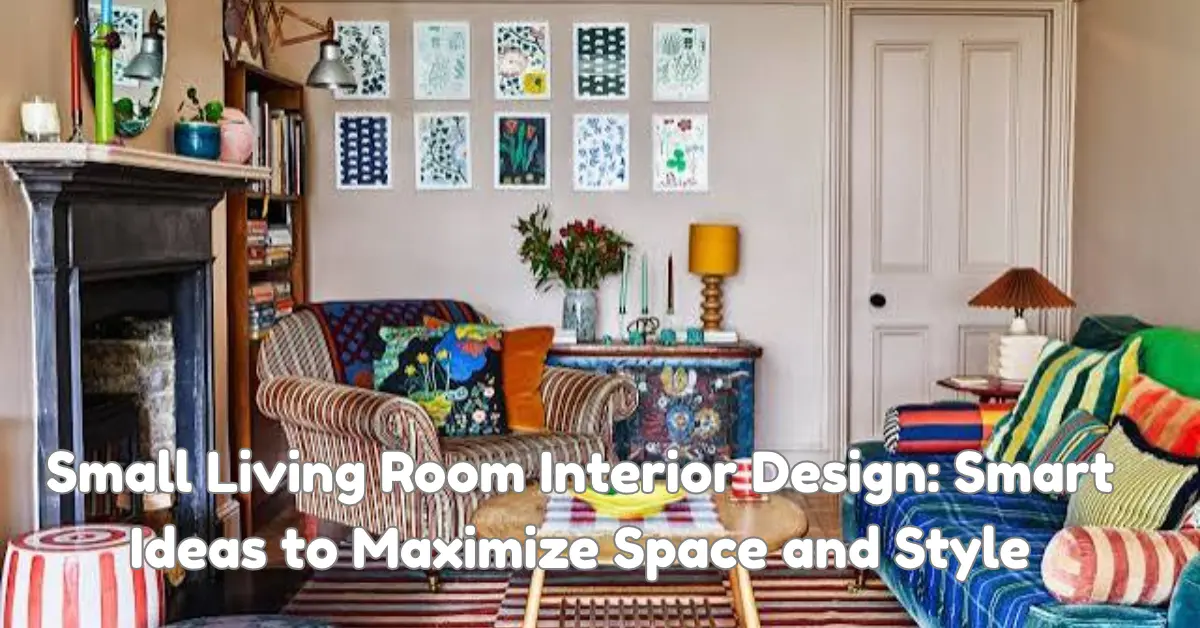
Small living room interior design is all about making the most of limited space while creating a comfortable, stylish, and welcoming environment. Whether you live in a small apartment, a compact house, or a home with a narrow living area, the right design choices can make your room feel more open and functional. You do not need a large budget or expensive furniture to achieve an attractive result. A thoughtful furniture layout, suitable colors, smart storage, and well-planned lighting can completely change the appearance of a small living room.
Many homeowners struggle with arranging furniture, choosing the right sofa, managing clutter, and decorating without making the room feel crowded. The solution is to focus on practical design rather than adding more decorative items. Every piece of furniture should serve a purpose, and every design decision should support comfort and movement.
In this guide, you will discover practical small living room interior design ideas, including furniture arrangements, color combinations, lighting techniques, storage solutions, modern decorating styles, and budget-friendly improvements. Whether you prefer a minimalist, contemporary, traditional, or cozy interior, these tips will help you create a living room that looks beautiful and works well for everyday life.
What Is Small Living Room Interior Design?
Small living room interior design is the process of arranging furniture, colors, lighting, and decorative elements to make a limited living area more comfortable and visually appealing. It focuses on using available space efficiently without sacrificing style or functionality.
Unlike designing a large living room, working with a small space requires careful attention to proportions. A sofa that looks perfect in a furniture showroom may occupy too much room in a compact apartment. Similarly, a large coffee table or an oversized entertainment unit can block movement and make the room feel cramped.
Good small living room design balances three important factors: comfort, functionality, and appearance. The room should provide enough seating, allow people to move around easily, and reflect your personal style.
Several principles can help you achieve this balance:
- Choose furniture that fits the room’s dimensions.
- Keep walkways clear and avoid unnecessary obstacles.
- Use colors that create a coordinated appearance.
- Make effective use of natural and artificial lighting.
- Include practical storage to control clutter.
- Decorate with a few carefully selected accessories.
- Use vertical space when floor space is limited.
These principles work in different types of homes, from studio apartments to small family houses.
1. Choose the Right Furniture for a Small Living Room
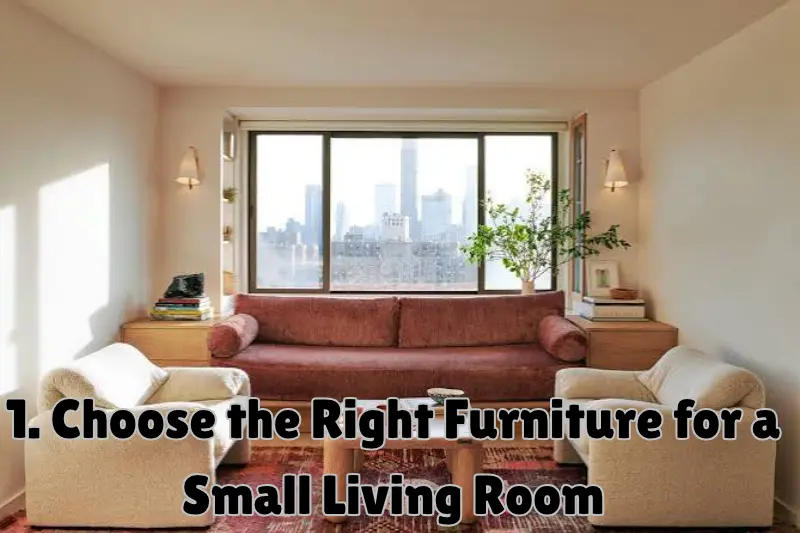
Furniture selection is one of the most important parts of small living room interior design. Large or poorly arranged furniture can make a room difficult to use, even when the color scheme and decorations are attractive.
Before buying anything, measure the room and identify the essential furniture pieces you need. Consider how many people regularly use the living room and what activities take place there.
Select a Compact Sofa
The sofa is usually the largest piece of furniture in a living room. Choosing the right size can help preserve valuable floor space.
A compact two-seat or three-seat sofa may be suitable for a narrow room, while a small sectional can work in a layout with an appropriate corner. Avoid choosing a sofa based only on its appearance. Check its width, depth, armrest size, and overall proportions.
Slim arms and raised legs can make a sofa appear lighter than a bulky design with a solid base. Neutral upholstery can also help the sofa blend into the room instead of dominating it.
However, comfort should remain a priority. A sofa should provide suitable support and enough seating for your household rather than simply looking compact.
Use Furniture With Multiple Functions
Multifunctional furniture can make a small living room more practical. Instead of purchasing separate items for every purpose, look for pieces that serve more than one function.
Useful examples include:
- Storage ottomans that provide seating and concealed storage.
- Coffee tables with shelves or drawers.
- Nesting tables that can be separated when needed.
- Sofa beds for occasional overnight guests.
- Small benches with built-in storage.
- Wall-mounted desks that can be folded away.
These pieces help reduce clutter and improve flexibility. Before purchasing them, check that their storage capacity, dimensions, and mechanisms suit your everyday needs.
Avoid Oversized Furniture
Large furniture may reduce the amount of usable floor space and create awkward gaps around the room. A bulky recliner, oversized armchair, or deep sofa can make a compact living room feel crowded.
Instead, choose furniture with dimensions that allow comfortable movement. You should be able to reach doors, windows, storage areas, and seating without constantly moving other objects.
It is also important to consider furniture delivery. Measure doorways, staircases, and hallways to ensure that your selected pieces can enter the home safely.
2. Use Light Colors to Create an Open Appearance
Color plays an important role in how a small living room looks and feels. Light and coordinated colors can help a space appear brighter, particularly when the room receives limited natural light.
White, cream, beige, soft gray, and pale taupe are popular choices because they work well with different furniture styles. However, you do not need to make the entire room white to achieve a spacious appearance.
Choose a Coordinated Color Palette
Start with one main color for the walls, then choose complementary shades for the sofa, curtains, rug, and decorative accessories.
For example, warm white walls can work beautifully with a beige sofa, natural wood furniture, and cream curtains. A light gray room may look more inviting with warm wooden accents and soft green cushions.
A consistent palette helps the room feel connected rather than visually divided into too many competing areas.
Add Accent Colors Carefully
A small living room can still include bold colors. The key is to use them selectively.
Consider adding olive green, navy blue, terracotta, mustard, or deep brown through cushions, artwork, vases, and small decorative objects.
For instance, a neutral living room with two olive-green cushions and a matching piece of artwork can look more interesting without becoming visually busy.
You can also use a darker color on one wall if you want to create a focal point. Test the color in the actual room before committing, because lighting conditions can affect how it appears.
Consider the Room’s Natural Light
Rooms with limited sunlight may benefit from warmer, lighter wall colors. Spaces with strong natural light can often accommodate a wider range of shades.
Before painting, observe how the room looks in the morning, afternoon, and evening. Artificial lighting can also change the appearance of paint.
The goal is to choose colors that complement the room’s existing conditions rather than following a trend that may not suit your home.
3. Arrange Furniture to Improve Movement
A good furniture arrangement can make a small living room feel more comfortable without requiring any new purchases.
The most effective layout depends on the shape of the room, the position of doors and windows, and the activities you want to support.
Keep Walkways Clear
People should be able to move between the entrance, seating area, and other parts of the home without squeezing past furniture.
Avoid placing a coffee table too close to the sofa or positioning a chair where it blocks the main walking route. Leave enough space for people to sit down, stand up, and move comfortably.
In particularly narrow rooms, placing larger furniture along the walls may help preserve a clear central walkway. However, pushing every piece against a wall is not always necessary. The best arrangement is the one that fits the room’s dimensions and purpose.
Create a Clear Focal Point
A focal point gives the living room a sense of organization. It might be a television, fireplace, large window, or piece of artwork.
Arrange the main seating around this feature while keeping conversation and movement in mind.
If the television is the primary focal point, avoid choosing an entertainment unit that is unnecessarily wide or deep. A wall-mounted television, when installed safely and appropriately, may free up space for a slim console or additional storage.
If the room is primarily used for conversation, arrange the sofa and chairs so people can comfortably face one another.
Avoid Too Many Furniture Pieces
Every additional furniture item occupies space and creates another object to navigate around. In a small living room, a sofa, a practical table, and one or two additional seating options may be sufficient.
Before adding another chair or cabinet, consider whether it provides a genuine benefit. Removing unnecessary furniture can improve the room’s appearance more effectively than purchasing new decorations.
4. Use Mirrors to Make the Room Feel Brighter
Mirrors are useful in small living room interior design because they reflect light and create a sense of visual depth. They do not increase the physical size of a room, but they can make the space appear more open.
Place Mirrors Near Natural Light
A mirror positioned near a window can reflect daylight into the room. The effect depends on the window’s location, the mirror’s angle, and the surrounding surfaces.
A large mirror can work well on a relatively empty wall, while a smaller decorative mirror may be suitable above a console table.
Think carefully about what the mirror will reflect. A view of a window, attractive artwork, or an uncluttered part of the room is generally more appealing than a reflection of a crowded storage area.
Choose a Suitable Mirror Shape
Rectangular mirrors create a simple, contemporary appearance. Round mirrors can soften rooms that contain many straight lines and rectangular furniture pieces.
Frameless designs may blend into modern interiors, while wooden or metal frames can introduce additional texture.
Choose a size that suits the wall. A mirror that is too small may have little visual impact, while an oversized mirror may overwhelm the room or require additional installation support.
Combine Mirrors With Other Design Elements
Mirrors work best when they support the rest of the interior. Pair them with suitable lighting, coordinated colors, and uncluttered furniture arrangements.
Avoid covering every wall with reflective surfaces. One well-positioned mirror is often enough to improve brightness and visual depth.
5. Choose Space-Saving Coffee Tables and Side Tables
Coffee tables and side tables provide useful surfaces for drinks, books, remotes, and decorative accessories. However, oversized tables can interfere with movement in a small living room.
The best option depends on how much space is available between the sofa, walls, and other furniture.
Consider Round Coffee Tables
Round coffee tables can work well in compact spaces because they have no sharp corners and may be easier to move around.
They can also create a softer contrast with rectangular sofas and television units.
Choose a table with a suitable diameter and height. It should be accessible from the main seating area without making it difficult to walk past.
Try Nesting Tables
Nesting tables are particularly useful when you occasionally need additional surfaces but do not want several tables occupying the room all the time.
You can separate them when entertaining guests and stack them together when they are not needed.
Look for lightweight designs that are easy to move and stable enough for everyday use.
Use Tables With Storage
A coffee table with a shelf or concealed compartment can help organize frequently used items.
Store remote controls, magazines, and small accessories in designated places instead of leaving everything on the tabletop.
Keep the surface relatively clear so the room feels organized and the table remains practical.
6. Make the Most of Vertical Space
When floor space is limited, walls can provide valuable storage and decorating opportunities.
Using vertical space helps keep everyday items organized while preserving room for seating and movement.
Install Floating Shelves
Floating shelves can hold books, small plants, photographs, and decorative objects without taking up floor space.
Position them where they are easy to reach and avoid placing too many items on each shelf. A mixture of books and a few decorative pieces can look more balanced than a crowded collection.
Shelves must be securely attached using suitable fixings for the wall material and expected load. If you are unsure about installation, seek professional assistance.
Choose Tall, Narrow Storage
A tall, narrow cabinet may provide useful storage without occupying as much floor area as a wide unit.
Use it for books, household accessories, or other items that would otherwise clutter the living room.
Choose a design that matches the room’s proportions. Very tall furniture may dominate a low-ceilinged room, so balance height with the overall layout.
Use Wall-Mounted Lighting
Wall lights can reduce the need for floor lamps and free up space beside sofas or chairs.
They may be especially useful in narrow rooms where every corner has a practical purpose.
Plan their placement according to seating arrangements, lighting needs, and electrical requirements. Electrical installation should be completed safely and in accordance with local requirements.
7. Select Curtains That Complement the Room
Curtains influence the appearance of windows, the amount of daylight entering the room, and the overall color scheme.
In small living rooms, the right curtains can create a clean visual line without overwhelming the space.
Choose Light and Simple Fabrics
Lightweight fabrics in cream, white, beige, or soft gray can complement a neutral interior. They may allow more daylight to pass through than heavy, dark curtains, depending on the fabric and lining.
If privacy or light control is important, consider layered window treatments that combine sheer curtains with blinds or heavier curtains.
Choose materials according to your room’s exposure to sunlight, cleaning needs, and privacy requirements.
Hang Curtains at an Appropriate Height
Where the wall and window layout allow, positioning a curtain rod above the window frame can draw attention upward.
Floor-length curtains may create a continuous visual line, especially when their color coordinates with the walls.
However, the length should suit the room and remain practical. Avoid fabric that drags excessively on the floor or blocks heaters, vents, or doors.
Avoid Overly Busy Patterns
Large, high-contrast patterns can dominate a small room. If your sofa and rug already have strong patterns, simple curtains may help balance the overall design.
Subtle stripes, textured fabrics, and understated geometric patterns can introduce interest without making the room feel crowded.
8. Improve Lighting in a Small Living Room
Lighting is one of the most effective ways to change the atmosphere of a small living room. A single overhead light may provide basic illumination, but different light sources can make the room more flexible and comfortable.
Use Multiple Lighting Sources
Consider combining three types of lighting:
- Ambient lighting: Provides general illumination for the room.
- Task lighting: Supports activities such as reading or working.
- Accent lighting: Highlights artwork, shelves, or selected architectural features.
For example, a ceiling light can illuminate the entire room, a floor lamp can provide reading light beside the sofa, and a smaller fixture can highlight a decorative feature.
You do not need to use all three types in every room. Choose lighting according to the room’s size, activities, and existing electrical setup.
Choose Suitable Bulb Color Temperatures
Warm-toned lighting can make a living room feel comfortable and relaxed. Neutral or cooler lighting may suit rooms used for reading, detailed tasks, or activities that require clearer visibility.
Try to maintain a coordinated appearance across the main light sources. Different bulb temperatures in the same small room can sometimes make the interior feel inconsistent.
Dimmable lights can provide additional flexibility when compatible fixtures and bulbs are installed.
Keep Windows Unobstructed
Natural light can make a small living room feel brighter during the day. Avoid placing tall furniture directly in front of windows if it blocks significant amounts of daylight.
Keep window areas relatively uncluttered and select window coverings that provide the right balance of light and privacy.
9. Create a Modern Small Living Room
Modern interior design is a popular choice for small living rooms because it emphasizes clean lines, practical furniture, and coordinated materials.
However, a modern space does not need to feel cold or empty. Natural textures and comfortable furnishings can make it welcoming.
Use Simple Furniture Shapes
Look for sofas, tables, cabinets, and shelves with uncomplicated designs. Furniture with slim profiles may be easier to fit into a compact layout.
Choose a few pieces that work well together rather than purchasing an entire matching set.
A simple sofa paired with a wooden coffee table, neutral rug, and carefully selected artwork can create a balanced contemporary interior.
Limit Decorative Clutter
Modern rooms often benefit from a selective approach to decoration. Instead of filling every surface, choose a few objects that contribute color, texture, or personal meaning.
A single large artwork, a small plant, or a carefully arranged group of books can provide visual interest without overcrowding the room.
Leave some surfaces empty so that the furniture and architectural features remain visible.
Introduce Natural Materials
Wood, cotton, linen, stone, and woven fabrics can soften the appearance of modern furniture.
For example, a light wooden table may complement a gray sofa, while a textured rug can make the seating area feel warmer.
Repeating a small number of materials throughout the room helps create a cohesive design.
10. Try a Minimalist Living Room Layout
Minimalist design focuses on simplicity, useful furniture, and a deliberate approach to decoration. It can be particularly effective in small living rooms because it reduces unnecessary visual distractions.
Keep Only Essential Furniture
Begin by identifying what the room needs for everyday use. A sofa, coffee table, and suitable storage may be enough for some households.
If you need extra seating, choose lightweight chairs or stools that can be moved when necessary.
Do not remove items that contribute to comfort simply to achieve an empty appearance. Minimalism should make the room easier to use, not less practical.
Use Hidden Storage
Storage baskets, closed cabinets, and furniture with concealed compartments can help keep everyday belongings organized.
Keep frequently used items accessible and store less frequently used objects elsewhere when possible.
The goal is not to hide every possession but to create a room where the most important areas remain clear and functional.
Maintain Visual Balance
Minimalist rooms can still include texture, color, and personality.
Combine a few different materials, such as wood, fabric, and ceramic, to avoid making the room feel flat. Add artwork or a plant if it suits your preferences.
A small number of well-chosen elements can create a more balanced result than an entirely plain room.
11. Design a Small Living Room on a Budget
A stylish small living room does not require expensive renovations. Many improvements involve reorganizing existing furniture, selecting suitable accessories, and solving practical problems.
Rearrange Existing Furniture
Before buying anything, experiment with your current layout.
Move furniture away from blocked windows, reposition the coffee table, or remove items that make walking difficult. A different arrangement may improve the room without any additional expense.
If possible, sketch two or three layouts and compare how each one supports movement and conversation.
Refresh Furniture Instead of Replacing It
If your furniture is structurally sound, consider updating its appearance.
Depending on the material and condition, you may be able to repaint a side table, replace cabinet handles, repair a loose leg, or clean upholstery using a suitable method.
Always check care instructions and test cleaning products on an inconspicuous area before treating a larger surface.
Add Affordable Decorative Details
Small accessories can introduce color and texture without requiring a major purchase.
Consider a cushion cover, a simple throw, a small plant, framed artwork, or a coordinated storage basket.
Choose items that complement your existing furniture instead of buying decorations that create an entirely new color scheme.
Make Purchases Gradually
Create a list of the room’s most important improvements and prioritize them according to your budget.
If storage is the biggest problem, address it before purchasing decorative objects. If the room is too dark, improving lighting may provide greater value than buying a new rug.
Making changes gradually helps you avoid unnecessary expenses and gives you time to evaluate each decision.
12. Small Living Room Interior Design for Apartments
Apartment living rooms often need to support several activities, including relaxation, entertainment, dining, and sometimes work.
A flexible design can make the same space more useful throughout the day.
Choose Compact and Flexible Furniture
Select furniture that fits the available floor area and can adapt to changing needs.
An extendable table may provide occasional dining space, while a storage ottoman can serve as additional seating when guests arrive.
If you work from home, consider a compact desk that fits into an unused corner or a folding workstation that can be stored when not in use.
Define Separate Activity Areas
Even when a living room serves multiple purposes, different zones can help organize the layout.
A rug may define the seating area, while a small table and chair can establish a work corner. A narrow console may separate the entrance from the main living space.
Use furniture and lighting to define these areas without creating unnecessary barriers.
Manage Everyday Clutter
Apartments may have limited storage outside the living room, making organization especially important.
Use closed cabinets for items that do not need to remain visible. Store frequently used objects in accessible places and establish a consistent location for remote controls, chargers, books, and other small belongings.
Regularly removing unused items can also prevent storage areas from becoming overcrowded.
13. Decorate a Narrow or Long Living Room
A narrow living room requires a different approach from a square room. Furniture placement should preserve a comfortable route through the space while avoiding a corridor-like appearance.
Arrange Furniture Along the Longer Walls
In some narrow rooms, placing the sofa along one longer wall can help maintain an open walking route. Position additional seating according to the available width.
Avoid using a coffee table that occupies too much of the central area. A narrow rectangular table or a small round design may be more appropriate.
The exact layout will depend on doorways, windows, and the location of other features.
Use Rugs to Define the Seating Area
A suitably sized rug can help organize the main seating arrangement.
Choose a rug that relates to the sofa and other furniture rather than one that is too small to connect the pieces visually.
If the room is particularly narrow, consider a rug shape that complements its proportions while leaving practical space around the edges.
Create Visual Interest at the End of the Room
A piece of artwork, a plant, or a well-lit decorative feature can create a focal point at the far end of a narrow living room.
Keep the area organized so it does not become a storage zone that blocks movement.
Use lighting and color to connect the end of the room with the rest of the interior.
14. Add Plants and Natural Textures
Plants and natural materials can make a small living room feel more inviting. They introduce variation without requiring large pieces of furniture or extensive decoration.
Select Plants Based on Available Light
Choose plants according to the amount of sunlight your living room receives and the level of maintenance you can provide.
A plant that requires strong direct sunlight may struggle in a shaded corner. Research the needs of each variety before choosing its location.
Small plants can sit on shelves or side tables, while a larger plant may work in an unused corner if it does not block a walkway.
Use Coordinated Planters
Planters made from ceramic, terracotta, or simple textured materials can complement different interior styles.
Choose sizes and finishes that suit the surrounding furniture. Repeating one or two planter colors can help create a coordinated appearance.
Make sure plant containers are suitable for indoor use and protect furniture from excess water.
Combine Different Textures
Natural textures can add warmth to a room with simple furniture.
Consider a woven basket, linen curtains, a cotton throw, or a wooden coffee table. These materials can provide visual depth without requiring a busy pattern or strong color contrast.
Keep the number of materials manageable so that the room remains cohesive.
15. Common Small Living Room Design Mistakes to Avoid
Understanding common mistakes can help you make better design choices and avoid unnecessary spending.
Using Furniture That Is Too Large
Oversized sofas, wide cabinets, and heavy tables can make a compact room difficult to navigate.
Always measure furniture before buying it and consider the space needed for doors, drawers, and walking routes.
Choosing Too Many Dark Colors
Dark colors can look attractive in small living rooms, but using them across every surface may make a room with limited natural light feel enclosed.
You can still include dark furniture or accent walls. Balance them with lighter surfaces, suitable lighting, and a coordinated palette.
Filling Every Wall With Decorations
Too many shelves, frames, and decorative objects can create visual clutter.
Choose a few meaningful pieces and leave some wall space empty. This allows each selected item to stand out.
Ignoring Storage Needs
A beautiful room can quickly become cluttered if everyday belongings do not have designated places.
Plan storage before purchasing decorative items. Closed cabinets, baskets, and multifunctional furniture can help keep the space organized.
Blocking Windows and Walkways
Placing furniture directly in front of windows may reduce natural light. Positioning furniture in walking routes can make the room uncomfortable to use.
Check the layout from different angles and make sure the main paths remain clear.
Following Trends Without Considering Comfort
Trendy furniture may not suit your room dimensions or daily needs.
Choose pieces based on comfort, durability, maintenance, and proportion rather than appearance alone.
16. Step-by-Step Plan for Small Living Room Interior Design
If you are unsure where to begin, follow a simple process to organize your design project.
Step 1: Measure the Room
Record the length and width of the room, ceiling height, window positions, doorways, and other important features.
Measure your existing furniture as well. This will help you identify which pieces fit comfortably and which ones restrict movement.
Step 2: Identify Your Main Needs
Decide how you use the living room.
You may need comfortable family seating, a television area, a small workspace, additional storage, or space for occasional guests.
Prioritize the functions that matter most instead of trying to accommodate every possible activity.
Step 3: Plan the Furniture Arrangement
Position the main furniture first, usually the sofa and television unit or another focal point.
Check that people can move comfortably between the entrance, seating area, and other parts of the home.
Add secondary furniture only when the layout has enough room.
Step 4: Select Your Color Scheme
Choose a main wall color and coordinate it with your sofa, curtains, rug, and other furnishings.
Use accent colors selectively to add personality.
Consider natural and artificial lighting before finalizing your choices.
Step 5: Improve Lighting and Storage
Determine whether the room needs better general lighting, a reading lamp, or additional accent lighting.
Identify practical storage solutions for everyday belongings and remove items that do not need to remain in the living room.
Step 6: Add Decorative Details
Once the furniture and lighting are in place, introduce a few accessories that complement the overall design.
Artwork, cushions, plants, and textured fabrics can help personalize the room without making it feel crowded.
Step 7: Review the Final Layout
Spend some time using the room before making additional purchases.
Notice whether the walking routes are comfortable, the lighting is suitable, and the furniture supports your daily activities.
Make small adjustments when necessary instead of assuming that every design decision must be permanent.
Frequently Asked Questions About Small Living Room Interior Design
How can I make a small living room look bigger?
Use coordinated light colors, suitable lighting, appropriately sized furniture, and a clear layout. Mirrors can reflect light and create a sense of depth, while furniture with raised legs can leave more of the floor visible.
Avoid unnecessary furniture and keep main walkways clear. These changes can make a room feel more open without changing its physical dimensions.
Which sofa is best for a small living room?
A compact sofa with suitable proportions is often a good choice. Designs with slim arms and raised legs may appear less bulky than oversized sofas with deep seats and solid bases.
The best sofa depends on your room dimensions, comfort preferences, and seating needs. Measure the available area before purchasing.
Which colors are best for a small living room?
White, cream, beige, soft gray, and pale taupe are versatile options. You can introduce accent colors through cushions, artwork, rugs, and decorative accessories.
The most suitable colors depend on natural light, furniture finishes, and your preferred atmosphere.
How do I decorate a small living room on a low budget?
Start by rearranging existing furniture and removing unnecessary clutter. Refresh suitable furniture pieces, improve lighting, and introduce a few coordinated accessories.
Prioritize improvements that solve practical problems. You do not need to replace every item to create a more attractive living room.
Can a small living room have dark furniture?
Yes. Dark furniture can create contrast and add character to a small living room.
Balance darker pieces with lighter walls, suitable lighting, and a coordinated rug or curtain color. Consider the room’s natural light and avoid overcrowding it with bulky furniture.
Are sectional sofas suitable for small living rooms?
Sectional sofas can work in some small living rooms, especially when the layout includes a suitable corner and enough room for movement.
Measure the entire sectional and check its depth, length, and orientation. A compact sectional may provide more seating than several separate chairs, but a large model can overwhelm a narrow space.
How can I create storage in a small living room?
Use floating shelves, tall narrow cabinets, storage ottomans, coffee tables with compartments, and baskets where appropriate.
Make use of vertical space while keeping frequently used items accessible. Avoid adding so much storage furniture that it reduces the room’s usable floor area.
Should I place my sofa against the wall?
Placing a sofa against a wall can work well in narrow or compact living rooms because it preserves central floor space.
However, the best arrangement depends on the room’s shape and the position of doors, windows, and focal points. Try different layouts to determine which one provides the most comfortable movement.
How can I improve lighting in a small living room?
Combine general lighting with task lighting and, where useful, accent lighting. Keep windows unobstructed and select window treatments that provide the right balance of daylight and privacy.
A suitable mirror may also help distribute existing light throughout the room.
What furniture should I avoid in a small living room?
Avoid furniture that blocks walking routes, prevents doors from opening, or occupies more space than its function justifies.
Oversized sofas, bulky cabinets, and large decorative tables may be unsuitable for some compact layouts. Measure carefully and prioritize furniture that meets your actual needs.
Conclusion
Small living room interior design is about using limited space intelligently while maintaining comfort, functionality, and personal style. You can create an attractive living area by selecting appropriately sized furniture, using coordinated colors, improving lighting, organizing everyday belongings, and decorating with intention.
The most important step is to understand how you use your living room. A space designed for family gatherings may need different furniture from a compact apartment living room used for relaxation and occasional work.
You do not have to make every improvement at once. Start with the furniture arrangement, address storage and lighting, and then introduce colors, textures, and accessories that complement the space. Small changes can have a meaningful effect when they solve the right problems.
With careful planning and practical choices, even a limited living area can become a comfortable, welcoming, and stylish part of your home.
