



Easy home upgrades are a practical way to improve the appearance, comfort, and functionality of your living space without spending a fortune on major renovations. Whether you live in a small apartment, a family house, or a rented property, simple changes can make your home feel fresher, more organized, and more welcoming.
You do not need professional construction skills or an expensive budget to make a noticeable difference. Updating lighting, refreshing old furniture, improving storage, changing cabinet handles, and adding attractive decorative elements are all simple ways to enhance your home. Even rearranging your existing furniture can make a room feel more spacious and useful.
The best part about easy home upgrades is that you can complete many of them gradually. Instead of renovating every room at once, you can focus on one area, identify what needs improvement, and make affordable changes that suit your lifestyle.
In this article, you will discover practical home upgrade ideas, budget-friendly improvements, simple DIY projects, and useful planning tips to help you create a more comfortable home. Whether your priority is appearance, organization, or everyday convenience, these ideas can help you get started.
What Are Easy Home Upgrades?
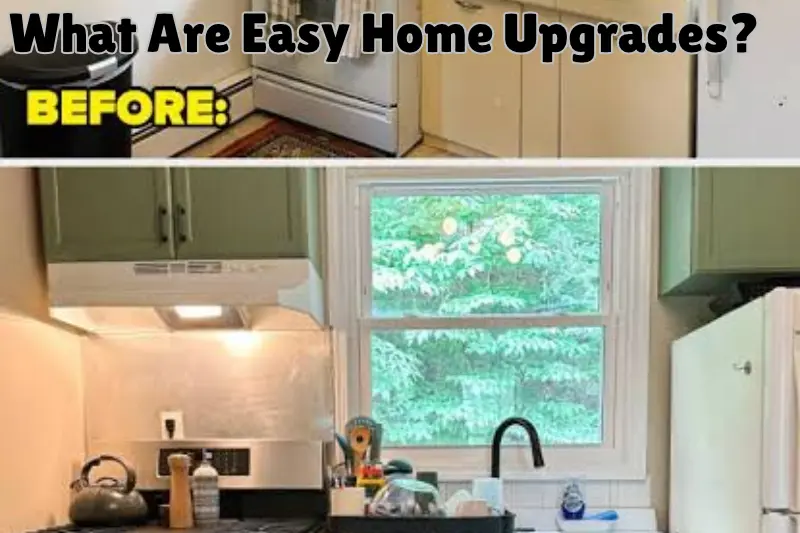
Easy home upgrades are small improvements that enhance a property’s appearance, comfort, efficiency, or usability without requiring extensive construction. They usually involve decorating, organizing, replacing outdated accessories, or making simple changes to existing spaces.
Unlike major remodeling projects, these upgrades can often be completed with basic tools, affordable materials, and limited preparation.
For example, replacing outdated cabinet handles can give a kitchen a fresh appearance. Adding better lighting can make a dark room more comfortable, while organizing a crowded entryway can improve everyday convenience.
Easy home upgrades can include:
- Updating indoor lighting.
- Painting a wall or refreshing furniture.
- Improving kitchen and bathroom organization.
- Adding decorative shelves and storage baskets.
- Rearranging furniture to create more space.
- Improving the appearance of doors and cabinets.
- Introducing indoor plants and simple decorations.
- Making small energy-efficiency improvements.
The right upgrades depend on your home’s current condition, your personal preferences, and the amount you want to spend.
1. Refresh Your Walls With a New Paint Color
Painting is one of the most effective easy home upgrades because it can transform the atmosphere of a room without changing its layout or furniture.
Walls can become marked, faded, or outdated over time. A fresh coat of paint can make them look cleaner and help the entire space feel more polished.
Choose Colors That Suit Your Space
Light colors such as white, cream, and soft beige can make smaller rooms feel brighter. Muted green and blue shades can introduce color while maintaining a calm atmosphere. Warmer neutral tones can create a comfortable and inviting living area.
You do not necessarily need to paint every wall. An accent wall behind a sofa or bed can add visual interest while keeping material costs manageable.
Prepare Before Painting
Clean the wall, protect nearby furniture, and repair minor surface imperfections using suitable products. Use painter’s tape where needed and choose paint designed for the surface and room conditions.
Allow each coat to dry according to the manufacturer’s instructions.
Practical tip: Test a small paint sample first. Colors can look different depending on natural light, artificial lighting, and surrounding furniture.
2. Upgrade Your Lighting for a Better Atmosphere
Lighting influences how a room looks and feels. A poorly lit space may appear smaller or less inviting, while a thoughtful lighting arrangement can make everyday activities more comfortable.
You can improve lighting without changing your home’s electrical wiring.
Simple Lighting Improvements
- Add a floor lamp to a dark corner.
- Place a desk lamp near your study or work area.
- Use bedside lamps for convenient evening lighting.
- Replace outdated lampshades with suitable modern designs.
- Choose energy-efficient bulbs compatible with existing fixtures.
- Use task lighting in areas where you cook, read, or work.
Consider the purpose of each room before selecting lighting. A home office may benefit from clear task lighting, while a living room may feel more comfortable with a combination of general and softer accent lighting.
Pay Attention to Bulb Color
Warm-white lighting often creates a relaxed atmosphere in bedrooms and living rooms. Neutral or cooler lighting may be useful for work areas where clear visibility matters.
If you rent your home, portable lamps are particularly convenient because they can usually be moved without permanent alterations.
Safety reminder: Electrical fixture replacements and wiring changes should be handled by a qualified professional when they exceed your skills or require electrical work.
3. Give Your Kitchen Cabinets a Fresh Look
A kitchen does not always need expensive cabinets or new countertops to look modern. Small changes to existing cabinets can create a noticeable visual improvement.
If the cabinet structure is still in good condition, updating its hardware or finish may be a more affordable option than replacing everything.
Replace Old Cabinet Handles
Cabinet handles and drawer pulls are relatively small details, but they can influence the overall appearance of a kitchen.
Choose a finish that complements your existing appliances and other fixtures. Matte black, brushed metal, and simple neutral finishes can work well with many cabinet styles.
Before purchasing replacements, measure the distance between the existing screw holes to ensure compatibility.
Clean and Refresh Cabinet Surfaces
Grease and dust can accumulate on kitchen cabinets, especially near cooking areas. Use a cleaner suitable for the cabinet material and avoid products that could damage the finish.
If you want to repaint the cabinets, check the existing surface and choose a compatible primer and paint. Proper preparation is important for a durable result.
Budget tip: Start by replacing the handles on the most visible cabinets. This lets you evaluate the appearance before updating the entire kitchen.
4. Add Practical Storage Solutions
Clutter can make even a well-designed home feel crowded. Improving storage is one of the most useful easy home upgrades because it helps you use your existing space more effectively.
You do not always need built-in cabinets or expensive furniture. Simple organizers can make everyday items easier to find and put away.
Storage Ideas for Different Rooms
Living room: Use baskets for blankets, magazines, and small accessories. A storage ottoman can provide seating while keeping selected belongings out of sight.
Bedroom: Drawer dividers, under-bed containers, and closet organizers can help separate clothing and accessories.
Kitchen: Use drawer organizers, shelf dividers, and suitable food-storage containers to make frequently used items easier to access.
Bathroom: Small baskets and countertop organizers can keep toiletries grouped together.
Entryway: A shoe rack, hooks, and a small tray for keys can reduce clutter near the entrance.
Organize Before Buying
Before purchasing storage products, remove items you no longer need and measure the available space. This helps you choose the right sizes and prevents unnecessary spending.
Store frequently used items where they are easy to reach, and place less frequently used belongings in higher or less accessible storage areas.
5. Update Your Furniture Without Replacing It
New furniture can be expensive, but existing pieces may still have plenty of life left in them. Refreshing what you already own can improve your interior while keeping your budget under control.
Affordable Furniture Upgrades
- Change cushion covers to introduce new colors.
- Add a suitable throw blanket to a sofa.
- Replace worn drawer knobs.
- Repaint a small side table.
- Clean and polish compatible wooden surfaces.
- Rearrange furniture to improve movement through the room.
- Add simple decorative accessories to a bookshelf.
Before painting or refinishing furniture, identify the material and existing coating. Choose products designed for that surface and follow the recommended preparation steps.
Rearrange Furniture for a New Look
Sometimes, the easiest upgrade costs nothing. Moving a sofa away from a blocked walkway or positioning a chair near natural light can improve how a room functions.
Try to maintain clear walking paths and avoid overcrowding the room with too many decorative objects.
Practical tip: Experiment with your existing furniture arrangement before purchasing anything new. You may discover that your current pieces work better in a different layout.
6. Improve Your Entryway
Your entryway is the first area you encounter when entering your home. Keeping it clean and organized can make the entire property feel more welcoming.
Even a narrow entrance can benefit from a few thoughtful changes.
Easy Entryway Upgrades
Add a compact shoe rack to keep footwear organized. Install suitable hooks for bags and coats where permitted. Place a durable mat near the entrance to help collect dirt, and use a small tray to keep keys and other everyday items together.
A mirror can also make a small entrance feel brighter and more open.
If you have limited floor space, consider slim storage furniture or wall-mounted accessories that do not obstruct doors and walkways.
Keep the Design Simple
Avoid filling the entrance with too many decorations. A clean surface, a practical storage solution, and one attractive decorative element may be enough to create a polished appearance.
For rented properties, freestanding furniture and removable accessories are often useful because they reduce the need for permanent changes.
7. Make Your Bathroom Feel More Modern
Bathroom renovations can be costly, but several small changes can make the room feel cleaner and more coordinated.
You can improve the appearance without replacing the sink, shower, or tiles.
Refresh Bathroom Accessories
Replace worn towels, update the shower curtain, and choose a bath mat that complements the existing colors. Matching soap dispensers and toothbrush holders can create a more consistent appearance.
Keep the countertop organized and store less frequently used products in suitable containers or cabinets.
Improve Lighting and Cleanliness
Clean mirrors and suitable fixtures to remove visible marks. Use cleaning products that are compatible with the bathroom’s surfaces, and maintain adequate ventilation to help manage moisture.
If you notice persistent dampness, leaks, or damaged surfaces, investigate the underlying cause rather than simply covering it with decorations.
Practical tip: Choose a simple color palette, such as white with beige or gray accents, to make a small bathroom feel organized without requiring a complete redesign.
8. Create a Small Indoor Plant Display
Indoor plants can introduce natural color and texture to a living space. A small plant display can brighten an empty corner, decorate a shelf, or make a home office feel more inviting.
You do not need many plants to make a difference.
Choose Plants for Your Conditions
Different plants require different levels of light, water, and care. Consider how much sunlight enters the room before selecting plants, and choose varieties that match the conditions you can provide.
Use suitable pots with drainage where appropriate, and protect wooden furniture from excess water.
You can arrange plants on a stable stand, place a small pot on a windowsill, or group a few plants together on a shelf designed to support their weight.
Keep Maintenance Manageable
Beginners should start with one or two plants rather than buying a large collection immediately. Learn their watering needs and observe how they respond to the available light.
If you have pets or young children, check whether a plant is safe for them before bringing it into your home.
9. Install Simple Wall Shelves
Wall shelves provide additional storage and display space without taking up as much floor area as freestanding furniture.
They can be useful in bedrooms, living rooms, home offices, and other areas where space is limited.
Where Shelves Can Be Useful
- Displaying books and framed photographs.
- Organizing lightweight office supplies.
- Keeping selected decorative objects together.
- Storing small items in a home office.
- Creating a simple display for suitable indoor plants.
Before installation, check the wall material, the shelf’s weight rating, and the type of mounting hardware required.
Use a level to mark straight positions and follow the manufacturer’s instructions. Heavy items require appropriate support, and shelves should not be mounted using unsuitable anchors.
Beginner tip: Start with one small shelf and lightweight objects. If drilling is not permitted in your home, consider a suitable freestanding alternative.
10. Improve Your Home’s Energy Efficiency
Some easy home upgrades can help reduce unnecessary energy use while improving everyday comfort. The most appropriate changes depend on your climate, existing equipment, and how your home is constructed.
Start With Simple Improvements
Use energy-efficient lighting where compatible with existing fixtures. Turn off lights and appliances when they are not needed, and avoid leaving electronics operating unnecessarily.
Check accessible door and window seals for obvious gaps. Suitable weatherstripping may reduce drafts when installed correctly, but it should not block ventilation or drainage openings.
During hot weather, use curtains or blinds to manage direct sunlight. In cooler conditions, appropriate window coverings may help improve comfort.
Maintain Heating and Cooling Equipment
Replace accessible air filters according to the equipment manufacturer’s instructions. Keep vents unobstructed and arrange professional maintenance when necessary.
Energy-saving results vary by property, equipment, climate, and household habits. Focus on practical changes that suit your situation rather than expecting every upgrade to produce the same savings.
Important: Do not attempt unfamiliar electrical, gas, or heating-system repairs. Use qualified professionals for work that involves specialized equipment or safety risks.
11. Refresh Your Doors and Door Hardware
Doors are used every day, so small improvements can contribute to both appearance and convenience.
If your doors are in good condition, you may be able to improve their appearance without replacing them.
Simple Door Upgrades
Clean suitable door surfaces and hardware to remove dust and fingerprints. Tighten accessible loose screws when appropriate, and replace compatible handles if the existing ones are worn.
A fresh coat of paint can also improve an interior door, provided you choose a suitable product and prepare the surface properly.
Doorstops may help prevent handles from damaging nearby walls. Choose a type that suits your flooring and door arrangement.
If a door sticks, sags, or fails to latch properly, identify the underlying problem rather than forcing it. More complicated repairs may require professional assistance.
12. Upgrade Your Outdoor Space
A balcony, patio, front entrance, or small backyard can become more attractive with a few simple improvements.
You do not need a large garden or expensive outdoor furniture to create a comfortable area.
Outdoor Upgrade Ideas
- Clean existing outdoor furniture.
- Arrange weather-resistant seating.
- Add suitable cushions.
- Introduce a few planters.
- Sweep paths and entrance areas.
- Organize gardening tools.
- Refresh an outdoor table or bench with appropriate products.
Choose materials designed to withstand the weather conditions in your area. Keep pathways clear and secure lightweight objects that could be moved by strong winds.
If you live in an apartment, check the building rules before making permanent balcony changes or installing heavy objects.
Make the Space Useful
Think about how you want to use the outdoor area. You might create a small reading corner, a place for morning tea, or a compact plant display.
Start by cleaning and rearranging what you already have. This can help you understand what additional items, if any, are worth purchasing.
13. Improve Your Bedroom With Simple Changes
The bedroom should support rest, comfort, and everyday organization. A few carefully selected upgrades can make it feel more peaceful without requiring new furniture.
Easy Bedroom Improvements
Change your bedding to a coordinated color scheme. Add bedside lighting, organize clothing storage, and remove unnecessary items from surfaces.
If the room feels crowded, reconsider the furniture arrangement. Keep enough space around the bed to move comfortably and open drawers or closet doors without obstruction.
Curtains can also influence the atmosphere of the room. Choose a style and fabric suitable for your privacy needs, lighting preferences, and climate.
Create a More Relaxing Environment
Limit unnecessary clutter around the bed and keep frequently used belongings within easy reach. A small bedside table or organizer can help keep essentials together.
You do not need expensive decorations to create a comfortable bedroom. Clean bedding, useful lighting, and a tidy layout can make a meaningful difference.
14. Add Decorative Details That Reflect Your Style
Decorative accessories can make a house feel more personal. However, adding too many objects may create visual clutter, so it is helpful to select items with a clear purpose or design connection.
Affordable Decorative Ideas
Consider framed artwork, cushions, table lamps, simple mirrors, decorative bowls, or a small collection of books. Choose pieces that complement your existing furniture rather than competing with every other item in the room.
You can also create a display using personal photographs or objects that have special meaning to your household.
Use Color Consistently
A simple color palette can help different parts of a room feel connected. Choose one or two main colors and introduce additional shades through smaller accessories.
For example, a neutral living room can gain character through green cushions, natural wood finishes, or a few coordinated decorative pieces.
Practical tip: Before purchasing new decor, move your existing accessories around. A different arrangement may give familiar items a fresh appearance.
15. Improve Your Kitchen Organization
A more organized kitchen can make cooking, cleaning, and meal preparation easier. You may be able to improve the space without changing cabinets or countertops.
Practical Kitchen Upgrades
Group cooking utensils by purpose, organize frequently used ingredients, and store everyday dishes where they are easy to reach.
Use suitable containers for dry foods and label them clearly when helpful. Drawer dividers can keep small utensils separated, while shelf organizers may make better use of available cabinet space.
Keep countertops clear where possible, especially around food preparation areas.
Make Cleaning Easier
Store cleaning products safely and separately from food. Choose organizers that are easy to remove and clean, and avoid overcrowding cabinets with items you rarely use.
If your kitchen has limited storage, prioritize frequently used items and find alternative storage for occasional equipment.
A more practical layout can improve the daily experience of using your kitchen without requiring a major investment.
How to Plan Easy Home Upgrades on a Budget
Planning helps you avoid unnecessary purchases and complete improvements in a manageable way. Before beginning, decide what you want to change and how much you can comfortably spend.
1. Identify Your Main Priority
Walk through your home and note areas that need attention. You might notice poor lighting, limited storage, worn furniture, or a room that feels crowded.
Choose the issue that affects your everyday life the most. This gives your spending a clear purpose.
2. Set a Realistic Budget
Decide how much money you can allocate to the project. Include materials, tools, delivery charges, and any necessary preparation supplies.
Keep some flexibility for unexpected expenses, but avoid spending more than you can comfortably afford.
3. Measure Before Buying
Measure the available space before purchasing furniture, shelves, curtains, or storage products.
For painting and other material-based projects, estimate the required quantity using the manufacturer’s coverage information. Accurate measurements help prevent shortages and waste.
4. Compare Material Quality
The cheapest product is not always the best value. Choose materials that suit the location and intended use.
For example, products designed for indoor furniture may not be suitable for outdoor exposure, while some adhesives may not perform well in damp areas.
Read the manufacturer’s instructions before making a purchase.
5. Complete One Project at a Time
Trying to upgrade several rooms simultaneously can create unnecessary mess and leave projects unfinished.
Choose one manageable task, gather the required supplies, and complete the work before starting another project.
6. Keep Safety in Mind
Follow instructions for tools, paints, adhesives, and cleaning products. Use suitable protective equipment and maintain ventilation where required.
Projects involving structural changes, unfamiliar electrical work, gas connections, or major plumbing should be handled by qualified professionals.
Common Mistakes to Avoid When Upgrading Your Home
Even simple improvements can become expensive or frustrating when they are not planned carefully.
Buying Decorations Before Measuring
A shelf, rug, or piece of furniture may look attractive but fail to fit the available space. Measure first and check that doors, drawers, and walkways will remain usable.
Choosing Appearance Over Practicality
An attractive upgrade should also serve your needs. Avoid placing furniture where it blocks natural movement or selecting materials that cannot handle the conditions in the room.
Ignoring Preparation
Paint and adhesive products may not work properly on dirty, damp, or unsuitable surfaces. Preparing the area according to the manufacturer’s instructions can improve the result.
Starting Too Many Projects
Working on several upgrades at once can lead to clutter and unfinished tasks. Focus on one project and build on your progress gradually.
Using the Wrong Materials
Not every product is appropriate for every surface. Check compatibility, moisture resistance, durability, and installation requirements before beginning.
Attempting Work Beyond Your Skills
Some tasks require professional knowledge or specialized equipment. Do not risk your safety to save money on electrical, gas, structural, or complex plumbing work.
Easy Home Upgrades for Different Budgets
The most suitable improvement depends on your available money, existing furniture, and the needs of your household. Use the following table to compare some practical options.
| Budget Approach | Upgrade Ideas | Main Benefit |
|---|---|---|
| Minimal spending | Declutter, rearrange furniture, clean surfaces | Improves organization and appearance |
| Small budget | Change cushion covers, add storage baskets, update lampshades | Refreshes a room |
| Moderate budget | Paint a room, replace cabinet handles, add shelves | Creates a more noticeable change |
| Larger budget | Upgrade suitable flooring, replace outdated fixtures, improve storage systems | Improves functionality and finish |
These categories are general rather than fixed price ranges. Actual costs vary according to location, product quality, room size, and labor requirements.
If your budget is limited, prioritize improvements that solve everyday problems instead of purchasing decorative items simply because they are popular.
Frequently Asked Questions
What Are the Easiest Home Upgrades to Make?
Some of the easiest home upgrades include rearranging furniture, painting a small wall, replacing cabinet handles, improving lighting, organizing storage, and adding suitable decorative accessories. These projects can often be completed without extensive construction experience.
How Can I Upgrade My Home Without Spending Much Money?
Start by cleaning, decluttering, and rearranging existing furniture. You can also refresh old accessories, organize cabinets, change cushion covers, and improve lighting with suitable lamps. These changes may improve your space without requiring a large investment.
Which Home Upgrade Makes the Biggest Difference?
The most noticeable upgrade depends on the condition of your home. Fresh paint can transform a room, improved lighting can change its atmosphere, and better storage can make it more functional. Focus on the improvement that addresses your biggest concern.
Can I Make Easy Home Upgrades Myself?
Yes, many decorating, organization, and simple maintenance projects are suitable for beginners. However, electrical wiring, gas work, structural modifications, and complicated plumbing should be assessed by qualified professionals.
How Can I Make a Small Home Feel Bigger?
Use a practical furniture arrangement, keep walkways clear, reduce clutter, and make good use of vertical storage. Mirrors and suitable lighting can also help a small room feel brighter and more open.
Are Home Upgrades Worth the Investment?
Home upgrades can improve comfort, appearance, and functionality. Whether they are financially worthwhile depends on the cost, durability, quality of the work, and your long-term plans for the property.
What Should I Upgrade First in My Home?
Begin with the area that creates the most inconvenience. If your home feels cluttered, improve storage. If a room is dark, consider lighting. If the walls look worn, a suitable paint refresh may be a good starting point.
How Can Renters Upgrade Their Homes?
Renters can often make reversible improvements such as adding portable lamps, using storage baskets, rearranging furniture, changing cushion covers, and introducing removable decor. Check your rental agreement before painting, drilling, or making permanent alterations.
Do Easy Home Upgrades Increase Property Value?
Some improvements may make a property more attractive to potential buyers, but results vary by location, property condition, market conditions, and project quality. Simple upgrades should primarily be chosen for their usefulness and suitability rather than a guaranteed increase in value.
How Often Should I Update My Home’s Interior?
There is no fixed schedule. Update your home when something becomes worn, no longer serves your needs, or no longer suits your preferences. Regular cleaning and maintenance can keep a space looking good without frequent redesigns.
Conclusion
Easy home upgrades are a practical way to create a more attractive, organized, and comfortable living environment without undertaking an expensive renovation. Small changes such as refreshing walls, improving lighting, updating cabinet hardware, organizing storage, and rearranging furniture can make a noticeable difference.
The key is to choose upgrades that match your budget, available space, and everyday needs. Start with one simple project, measure carefully, select suitable materials, and follow safety instructions throughout the process.
You do not need to transform your entire home at once. By making thoughtful improvements over time, you can create a space that reflects your style and supports your lifestyle while keeping spending under control.
