



Creating a beautiful and comfortable home does not always require expensive furniture, luxury materials, or a complete renovation. With the right planning, thoughtful choices, and a little creativity, you can transform your living space without spending more than necessary. Budget-friendly home design ideas help homeowners improve the appearance, functionality, and comfort of their homes while keeping expenses under control.
Whether you live in a small apartment, a rented house, or a family home, there are many affordable ways to make your space look more attractive. Simple changes such as rearranging furniture, choosing coordinated colors, improving lighting, adding storage, and refreshing old furniture can make a noticeable difference. You can also save money by reusing items you already own instead of buying everything new.
The key to affordable home design is knowing where to spend money and where to save it. Some improvements require a small investment but provide long-lasting benefits, while others can be completed using existing materials and basic DIY skills. A carefully planned home can look stylish and welcoming without unnecessary expenses.
In this guide, you will discover practical budget-friendly home design ideas for living rooms, bedrooms, kitchens, bathrooms, and outdoor spaces. You will also learn how to select affordable materials, avoid common decorating mistakes, and create a home that reflects your personal style without exceeding your budget.
What Are Budget-Friendly Home Design Ideas?
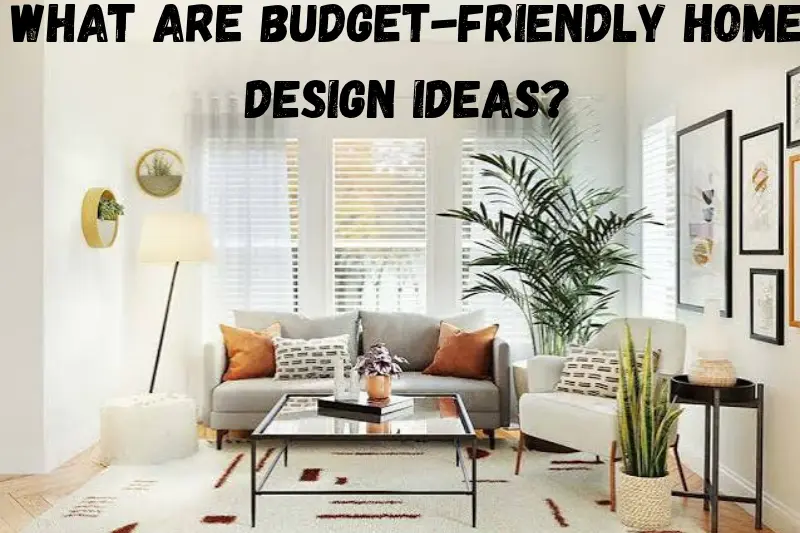
Budget-friendly home design ideas are practical ways to improve a home’s appearance, comfort, and functionality while minimizing unnecessary spending. They focus on making the best use of available space, choosing affordable materials, reusing existing items, and prioritizing improvements that provide the greatest value.
Affordable home design does not mean choosing poor-quality products or leaving rooms unfinished. Instead, it means making informed decisions about how money is spent. For example, repainting a room may be more economical than replacing all the furniture, while improving storage may make a small home more useful than adding decorative accessories.
A successful budget-friendly design considers several factors:
- The amount of money available for improvements.
- The current condition of the home.
- The size and layout of each room.
- The needs of the people living in the house.
- The durability and maintenance requirements of materials.
- Opportunities to reuse or repair existing furniture.
- The difference between essential repairs and optional decoration.
By understanding these factors, you can develop a realistic plan that improves your home gradually without creating unnecessary financial pressure.
1. Refresh Your Home With Affordable Paint Colors
Painting is one of the simplest ways to change the appearance of a room. A fresh coat of paint can make walls look cleaner, create a different atmosphere, and help coordinate furniture and decorations.
Choose Light and Neutral Colors
White, cream, beige, and soft gray are popular choices for affordable home design. These colors can make many rooms feel brighter and create a flexible background for furniture and accessories.
Light colors may be particularly useful in small rooms with limited natural light. However, the best shade depends on the room’s lighting, furniture, and personal preferences.
Create an Accent Wall
Instead of painting every wall a different color, consider creating one accent wall. A muted green, warm brown, deep blue, or another coordinated shade can add character without requiring a large amount of paint.
Choose a wall that naturally draws attention, such as the wall behind a sofa or bed.
Paint Before Replacing Furniture
If your furniture is still in good condition, changing the wall color may be enough to give the room a refreshed appearance.
Before purchasing new items, evaluate whether your existing furniture will work with a different color scheme.
Prepare Walls Properly
Clean the surface, repair minor damage, and use the appropriate primer when needed. Good preparation helps paint adhere properly and can reduce the need for repeated work.
If the walls have dampness or structural cracks, address the underlying problem before painting.
2. Rearrange Furniture Instead of Buying New Items
Furniture can significantly affect how a room looks and functions. Sometimes, the most affordable design improvement is simply changing the position of the items you already own.
Create a Better Furniture Layout
Arrange furniture to support the room’s main activities. In a living room, for example, position seating to encourage conversation while maintaining clear walking paths.
Avoid placing large pieces where they block doors, windows, or access to frequently used areas.
Keep the Room Balanced
A large sofa on one side of a room may make the space feel uneven if all the smaller furniture is grouped on the opposite side. Distributing visual weight more thoughtfully can create a more balanced appearance.
You do not need matching furniture sets. Coordinating colors, materials, and proportions can help different pieces work together.
Remove Unnecessary Furniture
A room may feel crowded because it contains too many items rather than because it is too small.
Consider removing furniture that rarely gets used. Keeping only useful pieces can improve movement and make the room easier to clean.
Try Different Arrangements Before Spending Money
Measure large furniture pieces and consider possible layouts before moving heavy items. You can sketch a simple floor plan on paper to compare different arrangements.
This approach helps you identify practical improvements without spending money on new furniture.
3. Use Affordable Lighting to Improve Your Interior
Lighting can change the mood and appearance of a home. A room with suitable lighting often feels more comfortable and functional than one that relies on a single harsh light source.
Make Better Use of Natural Light
Open curtains during the day when privacy and weather conditions allow. Keep window areas clear of unnecessary furniture and use window coverings that suit the amount of daylight available.
Natural light can reduce the need for artificial lighting during daytime hours.
Add Table and Floor Lamps
A table lamp or floor lamp can provide comfortable lighting for reading, relaxing, or working.
Rather than illuminating the entire room with one bright fixture, use suitable lighting for different activities. Choose lamps that fit the room’s size and existing decor.
Choose Energy-Efficient Bulbs
Energy-efficient LED bulbs can reduce electricity consumption compared with many older lighting options. Select an appropriate brightness and color temperature for each room.
Warm white lighting often suits bedrooms and relaxing areas, while neutral or cooler lighting may be useful for focused tasks.
Avoid Excessive Decorative Lighting
Decorative lights can look attractive, but buying too many fixtures may increase both purchase and electricity costs.
Focus first on the areas where lighting improves everyday comfort and safety.
4. Decorate Your Living Room on a Budget
The living room is often one of the most frequently used areas of a home. It may serve as a place for relaxing, entertaining guests, watching television, and spending time with family.
A few coordinated changes can improve the room without requiring a complete makeover.
Update Cushion Covers
Replacing cushion covers can introduce new colors and textures without purchasing an entirely new sofa.
Choose two or three complementary shades instead of mixing many unrelated patterns. This creates a more coordinated appearance.
Use an Affordable Rug
A rug can help define a seating area and add texture to a plain room. Select a size that fits the furniture arrangement and leaves suitable walking space.
Consider durability, ease of cleaning, and the amount of foot traffic before choosing a material.
Add a Few Decorative Items
A small collection of books, a tray, a vase, or a simple decorative object can make a living room feel more personal.
Avoid filling every available surface. Leaving some areas clear can make the room appear more organized.
Create a Simple Focal Point
A focal point gives the room a clear visual center. It might be a television wall, a piece of artwork, a window, or a carefully arranged shelf.
You do not need expensive wall treatments to create one. A balanced arrangement and coordinated colors can be enough.
5. Budget-Friendly Bedroom Design Ideas
A bedroom should feel comfortable, organized, and suitable for rest. Affordable changes can improve its appearance without requiring new furniture or extensive renovation.
Refresh the Bedding
Fresh, coordinated bedding can change the appearance of a bedroom immediately. Choose colors that work with the walls, curtains, and furniture.
You do not need luxury bedding to create an attractive room. Clean, well-maintained fabrics and a consistent color palette can make a difference.
Use the Space Under the Bed
If your bed design allows it, storage boxes or drawers can hold seasonal clothing, spare bedding, and other items.
This can reduce clutter in wardrobes and help keep the room organized.
Create a Simple Bedside Area
A small table, shelf, or repurposed piece of furniture can provide space for a lamp, book, or everyday essentials.
Make sure the arrangement leaves enough room to walk around the bed comfortably.
Keep Decorations Limited
A few meaningful photographs, a simple wall print, or a small plant can personalize the room.
Avoid buying decorations simply to fill empty spaces. Every item should contribute to the room’s comfort, function, or overall design.
6. Affordable Kitchen Design Ideas
A kitchen can look clean and modern without a complete renovation. Organizing existing storage, refreshing selected surfaces, and improving lighting may provide more value than replacing every cabinet and appliance.
Organize Kitchen Cabinets
Start by removing items you no longer use and grouping the remaining items by purpose.
Keep frequently used cookware and ingredients in convenient locations. This makes the kitchen easier to use and may reduce the need for additional storage products.
Refresh Cabinet Handles
If the cabinet doors are in good condition, changing the handles can create a subtle visual update.
Choose hardware that suits the existing cabinet style. Check the measurements before buying replacements to avoid unnecessary drilling or repair work.
Use Open Shelves Carefully
Open shelving can provide accessible storage for frequently used dishes, cups, and containers.
However, open shelves require regular cleaning and can look cluttered when overloaded. Use them selectively and keep the arrangement practical.
Improve Countertop Organization
Group everyday items on a tray or in suitable containers instead of spreading them across the entire countertop.
Keep enough clear workspace for food preparation. An organized countertop can make even a small kitchen feel more functional.
Consider Cabinet Painting
Painting kitchen cabinets may be an affordable alternative to replacing them, provided the existing surfaces are suitable for repainting.
Proper cleaning, sanding where appropriate, priming, and using a suitable coating are essential for a durable result. Damaged cabinets may require repairs before painting.
7. Low-Cost Bathroom Improvements
Bathrooms often benefit from better organization, clean surfaces, and small updates rather than expensive decorative changes.
Replace Small Accessories
New towel hooks, a soap dispenser, a shower curtain, or a coordinated storage container can refresh the bathroom’s appearance.
Choose products that can tolerate moisture and are easy to clean.
Improve Storage
Use suitable shelves, baskets, or organizers to keep toiletries and cleaning products in their proper places.
Make sure storage does not obstruct ventilation, plumbing access, or safe movement.
Refresh Grout and Sealant
Dirty or deteriorating grout and sealant can make a bathroom appear poorly maintained.
Clean suitable surfaces with appropriate products and replace failed sealant where necessary. Persistent moisture, leaks, or mold should be addressed at the source rather than covered with new decoration.
Upgrade the Mirror or Lighting
A practical mirror and suitable lighting can improve everyday bathroom use.
Choose fixtures designed for the bathroom’s moisture conditions, and have electrical work completed by a qualified professional.
Keep the Design Simple
Neutral towels, coordinated accessories, and clean surfaces can create a tidy appearance without major spending.
Avoid placing decorative items where they interfere with cleaning or become exposed to excessive moisture.
8. Use DIY Home Decor to Save Money
Do-it-yourself projects can reduce labor costs and help personalize your home. The best projects are those that match your skills, available time, and the condition of the materials.
Create Your Own Wall Art
Simple artwork can be created with suitable paper, canvas, frames, or materials already available at home.
Choose designs and colors that complement the room rather than trying to reproduce an expensive decorative style exactly.
Repurpose Old Furniture
An old side table, bookshelf, or wooden chair may be reusable after cleaning and minor repairs.
Depending on its condition, you could repaint it, replace damaged hardware, or use it for a different purpose.
Make Decorative Storage
Baskets, sturdy boxes, and suitable containers can organize small items while contributing to the room’s appearance.
Only reuse containers that are clean, safe, and appropriate for their intended use.
Personalize Shelves
Arrange books, framed photographs, and a few decorative objects on existing shelves.
Vary the height of items and leave some open space so the arrangement looks intentional rather than crowded.
Know When Not to DIY
Electrical wiring, structural alterations, gas connections, and complex plumbing should be handled by qualified professionals.
Saving money is not worth creating a safety risk or causing expensive damage that requires later repairs.
9. Affordable Storage Ideas for Small Homes
Storage is especially important in compact houses and apartments. A well-organized home often feels more spacious because belongings are easier to find and fewer items remain scattered around.
Choose Multi-Functional Furniture
Furniture that serves more than one purpose can reduce the number of items needed in a room.
Examples include a storage ottoman, a bed with drawers, a bench with internal storage, or a desk that folds away when not in use.
Before buying, compare the cost with that of simpler alternatives and make sure the item suits your space.
Use Vertical Space
Wall-mounted shelves and tall storage units can use available height instead of occupying additional floor area.
Secure shelves properly and avoid placing heavy objects above seating or sleeping areas unless the installation is designed to support them safely.
Organize Wardrobes
Use existing wardrobe space more effectively by grouping clothes, folding suitable items, and storing seasonal belongings separately.
Simple dividers or organizers can help if they solve a specific storage problem. There is no need to purchase a large set of accessories before identifying what you actually need.
Keep Frequently Used Items Accessible
Store everyday belongings at convenient heights and place rarely used items in less accessible areas.
This reduces clutter and makes the home easier to maintain.
10. Budget-Friendly Flooring Ideas
Flooring affects a home’s appearance, comfort, cleaning requirements, and long-term maintenance costs.
If the existing floor is structurally sound, cleaning, repairing small defects, or improving the surrounding decor may be more economical than replacing it.
Restore Existing Flooring
Some floors can be improved through appropriate cleaning, polishing, refinishing, or repairs.
The right method depends on whether the floor is made of tile, wood, concrete, stone, or another material. Always use products suitable for the surface.
Consider Affordable Floor Coverings
Rugs and washable mats can introduce color and texture to selected areas without changing the permanent flooring.
Choose suitable sizes and non-slip backing where needed, especially around entrances, bathrooms, and kitchens.
Compare New Flooring Materials Carefully
If replacement is necessary, compare material cost, installation, durability, moisture resistance, and maintenance.
A low initial price does not always mean lower long-term cost. Consider how the material will perform in the room where it will be installed.
Avoid Covering Structural Problems
Damaged or uneven flooring may indicate moisture or other underlying issues.
Resolve the cause before installing new coverings, otherwise the new material may deteriorate quickly.
11. Affordable Window Treatment and Curtain Ideas
Curtains and window coverings affect privacy, natural light, temperature, and the overall appearance of a room.
Choose Simple Curtains
Plain curtains in coordinated colors can suit many interior styles. They may also be easier to match with furniture when you update the room later.
Measure windows carefully before buying to reduce waste and avoid unnecessary alterations.
Make Use of Existing Blinds
If blinds are still functional, clean and maintain them rather than replacing them simply because the style feels outdated.
Adding suitable curtains can sometimes refresh the appearance while retaining the existing blinds.
Balance Privacy and Natural Light
Choose window coverings according to the room’s purpose. Bedrooms may need more light control, while living rooms may benefit from materials that allow daylight to enter.
The best choice depends on the direction of the windows, the level of privacy required, and the local climate.
Coordinate Curtains With the Room
Curtains do not have to match the sofa or bedding exactly. They should complement the overall palette and avoid introducing too many competing colors or patterns.
12. Add Indoor Plants for an Affordable Natural Look
Indoor plants can add color, texture, and a natural element to a home. They can also help make empty corners and shelves feel more complete.
Start With Easy-to-Maintain Plants
Choose plants according to the amount of natural light, temperature, and humidity in your home.
Some plants tolerate lower light levels better than others, but no plant should be selected without considering its specific needs.
Reuse Suitable Containers
A suitable existing pot can be reused if it is clean and provides adequate drainage.
If you use a decorative outer container, make sure excess water does not remain trapped around the plant’s roots.
Group Plants Thoughtfully
A small group of plants can create a more organized display than placing many individual pots throughout the house.
Consider the mature size of each plant and avoid blocking windows, doors, or pathways.
Keep Plant Costs Under Control
Start with a few plants and learn how to care for them before adding more. This helps prevent unnecessary purchases and plant loss.
If pets live in your home, check whether the plants you choose are safe for them.
13. Budget-Friendly Home Exterior Design Ideas
Improving the outside of your home can make the entire property feel more welcoming. Many exterior improvements are relatively simple when the building itself is in good condition.
Refresh the Front Door
Cleaning, repainting, or updating suitable door hardware can improve the entrance without replacing the entire door.
Choose a finish that suits the exterior walls and withstands local weather conditions.
Maintain the Front Yard
Trim overgrown plants, remove debris, organize planters, and keep the pathway clear.
A neat outdoor area can improve the property’s appearance without requiring expensive landscaping.
Add Affordable Outdoor Lighting
A suitable entrance light or pathway fixture can improve visibility and make the exterior more inviting.
Select weather-resistant products and ensure that electrical installation is safe.
Repair Before Decorating
Loose exterior paint, damaged plaster, leaks, or drainage problems should be addressed before adding decorative finishes.
Covering underlying damage with new paint or accessories may lead to higher costs later.
Use a Consistent Exterior Color Scheme
A main wall color, a complementary secondary shade, and a small accent can help create a coordinated exterior.
Test colors in natural light before applying them across the entire property.
14. Affordable Home Design Ideas for Renters
Renters can improve the appearance and comfort of their homes without making permanent changes that violate their rental agreement.
Use Removable Decorations
Removable wall decor, suitable adhesive hooks, and freestanding accessories can personalize a room without major alterations.
Check product instructions and test materials carefully because some adhesives can damage paint or wallpaper.
Bring in Soft Furnishings
Cushions, curtains, bedding, and rugs can change the look of a rented space without modifying the structure.
Choose items that can move with you if you relocate.
Improve Lighting With Portable Fixtures
Table lamps and floor lamps can provide additional lighting without requiring changes to the property’s electrical system.
Always use fixtures safely and avoid overloading electrical outlets.
Organize With Freestanding Storage
Shelving units, baskets, and movable cabinets can improve storage while keeping the walls and structure largely unchanged.
Make sure tall furniture is stable and secured where necessary.
Check Before Making Changes
Before painting walls, replacing fixtures, drilling holes, or installing permanent fittings, review your rental agreement and obtain permission when required.
This can help you avoid repair costs or disputes when moving out.
15. Budget-Friendly Home Design Ideas for Families
Family homes need to balance appearance with comfort, durability, storage, and everyday practicality.
Create Clearly Defined Activity Areas
A living room can include a seating area, a small reading corner, or a space for children’s activities without needing separate rooms for every purpose.
Use furniture placement and storage to define each area while keeping pathways clear.
Choose Easy-to-Clean Materials
Families may benefit from washable cushion covers, durable rugs, practical flooring, and furniture finishes that are easy to maintain.
Before purchasing a material, check its cleaning requirements and suitability for frequent use.
Organize Toys and Everyday Items
Storage baskets, labeled boxes, and accessible shelves can help keep toys, books, and school supplies organized.
Place frequently used items where family members can reach them safely and return them easily.
Create a Practical Study Corner
A small desk, comfortable chair, task light, and organized storage can create a useful study area.
Choose a location with suitable lighting and as little distraction as practical.
Prioritize Safety
Keep walkways clear, secure unstable furniture, and use appropriate safety measures around stairs, windows, electrical outlets, and heavy objects.
Design improvements should support the needs of everyone in the household.
16. How to Plan a Home Makeover on a Small Budget
A home makeover becomes more manageable when you plan the work before buying materials or accessories.
Step 1: Evaluate Your Existing Home
Walk through each room and identify what needs attention.
Separate problems such as damaged surfaces, insufficient storage, or poor lighting from optional changes such as new cushions or decorative items.
Step 2: Set a Spending Limit
Decide how much you can comfortably spend without affecting essential household expenses.
Divide the amount between priority repairs, materials, furniture updates, and optional decoration. Keep some money available for unexpected costs.
Step 3: Choose Your Highest-Priority Improvements
Focus on changes that solve a real problem or create a noticeable improvement.
For example, repairing a leaking tap or improving inadequate lighting may provide more value than buying decorative accessories.
Step 4: Reuse What You Already Own
Before shopping, inspect your existing furniture, curtains, storage containers, and decorations.
Items that are still functional may need only cleaning, minor repairs, or a new arrangement.
Step 5: Compare Prices and Quality
Compare several options before making major purchases. Consider durability, installation expenses, warranties, and maintenance rather than looking only at the initial price.
Step 6: Complete One Room at a Time
Working on one room at a time helps you manage expenses and avoid unnecessary purchases.
It also allows you to learn what works before applying the same approach elsewhere.
Step 7: Review the Results
After completing each improvement, assess whether it has made the space more useful and comfortable.
You may discover that a few well-chosen changes are enough, allowing you to postpone less important purchases.
17. Common Home Design Mistakes That Increase Costs
Affordable home design is not only about finding inexpensive products. It also involves avoiding mistakes that lead to wasted materials, repeated purchases, or expensive repairs.
Buying Items Without Measuring
Furniture, rugs, curtains, and storage units should fit the available space.
Measure the room, doorways, and intended location before buying. This can reduce the risk of purchasing something that cannot be used comfortably.
Following Every Design Trend
Trends can be inspiring, but buying new decorations whenever a style becomes popular can quickly increase spending.
Choose a basic design that suits your preferences, then use a few replaceable accessories if you want to introduce current colors or patterns.
Choosing the Cheapest Materials Automatically
Very inexpensive materials may require frequent repairs or replacement.
Compare expected durability, installation requirements, and maintenance costs before deciding which option provides the best value.
Ignoring Small Repairs
A minor leak, loose handle, or damaged seal can become more expensive if left unattended.
Address maintenance issues early instead of spending money on decoration while important problems remain unresolved.
Overdecorating Small Rooms
Too many decorative objects can make a small space look cluttered and difficult to clean.
Choose a few useful or meaningful items and allow some surfaces to remain clear.
Starting Too Many Projects at Once
Beginning several projects without completing them can waste materials and leave rooms difficult to use.
Finish priority tasks before starting optional improvements in another area.
Frequently Asked Questions About Budget-Friendly Home Design Ideas
How can I make my home look beautiful on a small budget?
Start by organizing each room, rearranging furniture, refreshing suitable wall colors, improving lighting, and using coordinated soft furnishings. Reusing existing items can help you improve your home’s appearance without buying everything new.
What is the cheapest way to improve a living room?
Rearranging furniture, removing clutter, updating cushion covers, cleaning existing furniture, and changing the lighting arrangement are practical starting points. A coordinated color scheme can also help the room feel more organized.
How can I make a small house look bigger?
Use an efficient furniture arrangement, keep walkways clear, make good use of natural light, and choose appropriately sized furniture. Light colors and well-planned storage can also make many compact rooms feel more open.
Which colors are best for affordable home design?
White, cream, beige, and soft gray are flexible choices that work with many types of furniture. Muted green, blue, or brown can be used as accent colors. The best combination depends on the room’s lighting and your personal preferences.
Is DIY home decoration worth it?
DIY projects can save money when they match your skills and involve manageable tasks, such as painting suitable surfaces, arranging shelves, or refreshing furniture. Electrical, structural, gas, and complex plumbing work should be left to qualified professionals.
How can I decorate a rented house cheaply?
Use portable lamps, removable decorations, rugs, cushions, freestanding shelves, and other items that can move with you. Check your rental agreement before painting walls or making permanent alterations.
How can I update my kitchen without renovating it?
Organize cabinets, clear countertops, refresh suitable cabinet finishes, replace handles, and improve task lighting. These changes can improve the kitchen’s appearance and functionality without replacing every cabinet or appliance.
What should I prioritize when decorating on a budget?
Prioritize safety, essential repairs, lighting, storage, and improvements that make everyday activities easier. Decorative purchases should come after the basic needs of the home have been addressed.
Are expensive furniture pieces necessary for a stylish home?
No. A stylish home depends on proportion, comfort, coordination, and good maintenance rather than the price of every item. Affordable furniture can work well when it fits the space and complements the overall design.
How can I avoid overspending on a home makeover?
Set a spending limit, list essential improvements, measure before buying, compare product quality, and complete one room at a time. Reuse functional items and avoid purchasing decorations that do not serve a clear purpose.
Conclusion
Budget-friendly home design ideas make it possible to create a comfortable, attractive, and practical living space without spending excessively. Simple changes such as repainting walls, rearranging furniture, improving lighting, organizing storage, and refreshing existing accessories can produce meaningful results.
The most effective approach is to focus on your home’s actual needs rather than trying to copy an expensive interior design. A well-organized kitchen, a comfortable living room, a peaceful bedroom, and a clean entrance can make everyday life more enjoyable without requiring luxury products.
Before starting a makeover, evaluate your existing belongings, set a realistic budget, and prioritize essential repairs. Compare materials carefully, complete projects gradually, and avoid purchases that add little practical value. Remember that good design is about making the best use of the space and resources available to you.
With thoughtful planning, a little creativity, and consistent maintenance, you can build a home environment that reflects your personal style, supports your family’s needs, and remains within your budget.
