


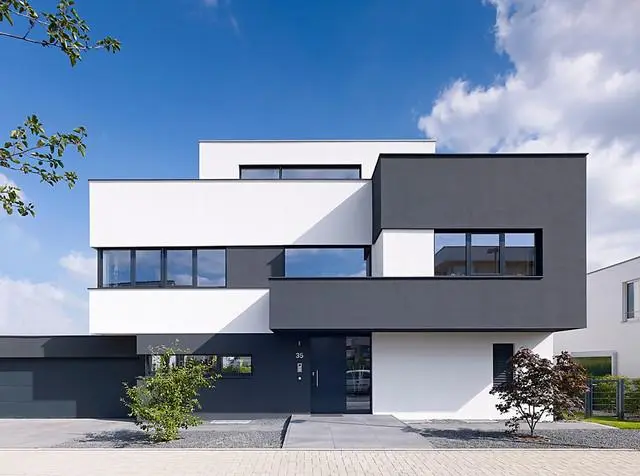
A home’s exterior is the first thing people notice when they visit your property. From the front elevation and entrance to the roof, windows, colors, and outdoor lighting, every detail contributes to the overall appearance of your house. The right design can make a simple property look modern, elegant, welcoming, and visually appealing. If you are planning to build a new home or renovate an existing one, exploring different house exterior design ideas can help you choose a style that suits your taste, budget, and lifestyle.
House exterior design is not only about appearance. A well-planned exterior can also improve privacy, protect the building from weather conditions, support energy efficiency, and create a comfortable outdoor environment. Whether you prefer a modern minimalist house, a traditional family home, a luxurious villa, or a small house with a simple front elevation, there are many ways to achieve an attractive result.
In this guide, you will discover practical exterior design styles, color combinations, materials, landscaping ideas, lighting options, and budget-friendly improvements. You will also learn how to select a design that matches your property’s size, local climate, and architectural structure.
What Are House Exterior Design Ideas?
House exterior design ideas are concepts and techniques used to improve the outside appearance and functionality of a home. They include the design of exterior walls, front elevations, doors, windows, roofs, balconies, boundary walls, driveways, gardens, and outdoor lighting.
A successful exterior design combines several elements rather than focusing on one feature. For example, a modern house may have clean architectural lines, neutral wall colors, large windows, natural stone accents, and carefully positioned lights. A traditional home may feature decorative details, warm colors, a sloping roof, and a welcoming entrance.
The best design depends on your architectural style, available space, construction budget, and personal preferences. Instead of copying every detail from another house, focus on creating a balanced exterior that works well with your property’s structure.
1. Modern House Exterior Design Ideas
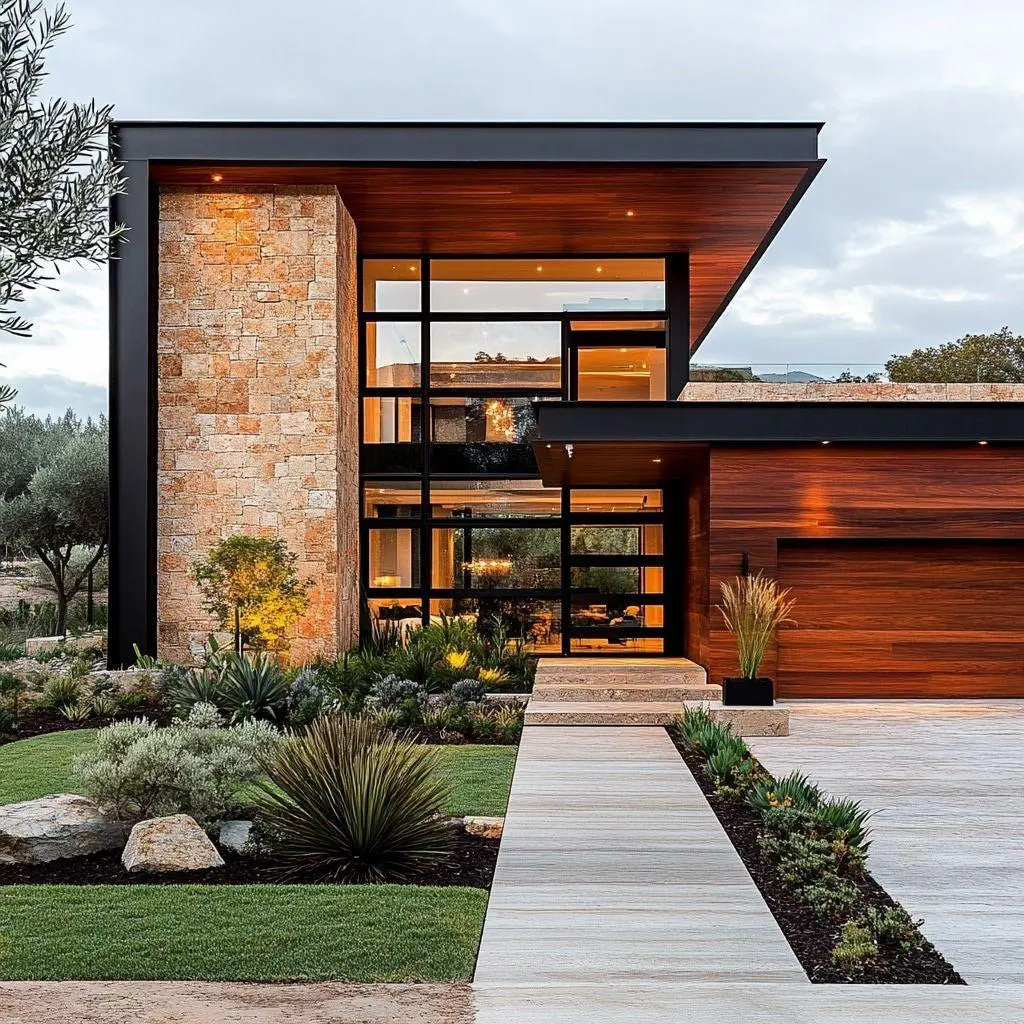
Modern exterior designs are popular because they combine simplicity, functionality, and a clean appearance. They often feature straight lines, geometric shapes, neutral colors, and carefully selected materials.
Minimalist Exterior Design
A minimalist exterior focuses on simplicity. Instead of adding numerous decorative elements, this style uses a limited color palette, smooth walls, simple windows, and uncluttered architectural details.
White, beige, gray, and soft earth tones work particularly well for minimalist homes. You can add depth with a contrasting entrance door, subtle wall textures, or a small landscaped area.
This style is suitable for homeowners who prefer a neat and timeless appearance. It can also work well for smaller properties because unnecessary decorative features are avoided.
Geometric Architectural Features
Geometric designs use rectangular shapes, clean edges, and carefully arranged building sections. A projecting balcony, recessed entrance, or distinctive window arrangement can make the front elevation more interesting.
The key is maintaining visual balance. Too many shapes or contrasting materials can make the exterior appear crowded, so select a few features that complement each other.
Modern Flat-Roof Houses
Flat-roof designs are common in contemporary architecture. Their simple rooflines create a streamlined appearance and can complement rectangular building forms.
However, flat roofs require proper waterproofing, drainage, and construction detailing. In areas with heavy rainfall, these elements are especially important to prevent water accumulation and moisture damage.
2. Beautiful House Front Elevation Design Ideas
The front elevation is one of the most important parts of a home’s exterior because it defines the property’s appearance from the street. It includes the front-facing walls, entrance, windows, balconies, roofline, and decorative architectural elements.
Simple Front Elevation Design
A simple front elevation can look attractive without expensive materials or complicated construction. Smooth plaster, a balanced window arrangement, a well-designed entrance, and two complementary colors can create a polished result.
For example, you might use warm white for the main walls and light gray for selected sections. A wooden-look door or a textured panel near the entrance can provide an additional point of interest.
Simple designs are especially useful when you want to control construction costs while maintaining a modern appearance.
Double-Story House Elevation
A double-story house offers additional opportunities for exterior design. Balconies, vertical wall panels, large windows, and contrasting finishes can help connect the upper and lower floors visually.
Try to keep the main entrance, windows, and prominent wall sections coordinated. When these elements follow a consistent design pattern, the house looks more organized and balanced.
Luxury Front Elevation
Luxury exterior designs often combine premium materials, dramatic lighting, spacious entrances, and distinctive architectural details.
Natural stone, textured concrete, glass railings, metal accents, and high-quality exterior finishes can create an elegant appearance. However, luxury does not always mean using the most expensive materials. Thoughtful proportions and careful workmanship often make a greater difference than excessive decoration.
3. Best Exterior Paint Colors for Houses
Exterior paint colors have a major impact on how a house looks. The right combination can highlight architectural details, make the property feel welcoming, and create a consistent appearance with the surrounding environment.
White and Gray Combination
White and gray create a clean, contemporary appearance. White can make the exterior feel bright, while gray adds depth and definition.
You can use white on the main walls and darker gray around selected windows, balconies, or entrance sections. This combination suits many modern architectural styles.
Beige and Brown Combination
Beige and brown create a warm, natural appearance. These colors work particularly well with stone textures, wooden doors, landscaped gardens, and traditional architectural features.
A light beige exterior with darker brown accents can make a home feel welcoming without appearing overly decorative.
Cream and Olive Green
Cream paired with muted olive green creates a subtle connection with nature. This combination can work beautifully for homes surrounded by plants, trees, or landscaped outdoor areas.
Use olive green as an accent rather than covering every exterior wall with it. A restrained application helps maintain a balanced look.
Charcoal and White
Charcoal and white provide strong contrast and can emphasize modern architectural shapes. Dark gray works well around entrances, window frames, or selected wall panels, while white keeps the overall design visually light.
In hot climates, consider how dark surfaces absorb heat and how much direct sunlight reaches the building. Choose suitable exterior coatings and insulation based on local conditions.
How to Choose the Right Exterior Colors
Before selecting paint, consider these factors:
- Climate: Choose exterior paints designed for your local weather conditions.
- Sunlight: Observe how natural light affects colors throughout the day.
- Architecture: Select colors that complement the building’s shape and proportions.
- Maintenance: Consider how easily dust, stains, and weathering will show.
- Surroundings: Coordinate the exterior with the roof, boundary wall, driveway, and garden.
Always test paint samples on a small exterior section before applying them to the entire house.
4. Stone and Brick Exterior Design Ideas
Stone and brick finishes add texture, depth, and visual character to a home’s exterior. They can complement modern, traditional, rustic, and contemporary architectural styles.
Natural Stone Exterior
Natural stone can create a premium appearance around the entrance, boundary wall, or selected front elevation sections. Its varied patterns and textures make the exterior more visually interesting.
Because natural stone can be expensive, using it as an accent is often more practical than covering every wall. Proper installation and weather-resistant detailing are essential for long-term performance.
Brick Exterior Walls
Exposed brick offers a warm, traditional appearance. Depending on the brick color and pattern, it can create a rustic farmhouse look or a more contemporary industrial style.
Brick can also be combined with smooth plaster, concrete, metal, or glass to produce a balanced exterior.
Stone-Look and Brick-Look Finishes
Manufactured stone panels, brick slips, and textured exterior tiles can provide similar visual effects at different price points. Their suitability depends on product quality, installation requirements, and exposure to local weather.
Before choosing a finish, check its durability, water resistance, maintenance needs, and compatibility with the existing wall surface.
5. Small House Exterior Design Ideas
A small house can have an attractive exterior without complicated architecture or a large budget. The most effective approach is to use balanced proportions, simple finishes, and a few carefully chosen details.
Use a Simple Color Palette
A small exterior often benefits from two or three coordinated colors. Light neutral shades can create a bright appearance, while a darker accent helps define the entrance or selected architectural features.
Avoid using too many competing colors because they can make a compact facade look visually busy.
Choose Proportional Windows and Doors
Windows and doors should complement the size of the building. Oversized decorative features may overwhelm a small facade, while poorly positioned windows can disrupt the overall balance.
Consider ventilation, privacy, natural light, and the internal layout when planning their placement.
Add a Small Green Area
Even a narrow planting strip, a few well-maintained planters, or a compact front garden can improve the appearance of a small home.
Choose plants suited to the local climate and the amount of sunlight available. Low-maintenance landscaping is particularly helpful when outdoor space is limited.
Keep the Entrance Attractive
The entrance is a natural focal point. A well-maintained door, suitable outdoor lighting, a clean pathway, and a small decorative feature can make a noticeable difference without major renovation work.
6. Single-Story House Exterior Design Ideas
Single-story houses can look elegant, traditional, or modern depending on their architectural details and materials. Since the roofline and front elevation are highly visible, these elements deserve particular attention.
Contemporary Single-Story Homes
Contemporary single-story homes often feature simple rooflines, large windows, smooth wall finishes, and a restrained color palette.
A covered entrance or small porch can add depth to the facade while offering protection from rain and direct sunlight.
Traditional Bungalow Design
Traditional bungalow exteriors often use sloping roofs, welcoming entrances, decorative trim, and warm exterior colors.
Wood-look finishes, brick details, and landscaped pathways can enhance the appearance without requiring excessive ornamentation.
Flat-Roof Single-Story Design
A flat-roof house can create a clean and modern appearance. Simple rectangular forms and coordinated wall colors help emphasize the building’s shape.
Roof drainage, waterproofing, and insulation should be considered early in the design process rather than treated as finishing details.
7. Two-Story House Exterior Design Ideas
Two-story houses offer more vertical space for architectural features, balconies, contrasting materials, and decorative lighting. A well-designed facade should connect both floors into one cohesive composition.
Add a Modern Balcony
A balcony can provide outdoor space while contributing to the house’s appearance. Glass, metal, or solid railings create different visual effects, so select a design that complements the building.
Safety, drainage, weather resistance, and local building requirements must be considered when designing balconies.
Combine Different Exterior Materials
Using two complementary materials can make a double-story facade more interesting. For example, smooth plaster can form the main exterior, while stone or wood-look panels highlight the entrance or upper floor.
Limit the number of finishes to maintain a consistent design.
Use Vertical and Horizontal Lines
Vertical panels can emphasize height, while horizontal features can make a building appear wider. These elements should follow the house’s proportions instead of being added randomly.
A designer can help determine which lines best suit the existing structure.
8. Wooden Exterior Design Ideas
Wood adds warmth and natural texture to a home’s exterior. It works well with modern architecture, rustic houses, contemporary villas, and minimalist designs.
Wooden Wall Cladding
Wooden cladding can highlight the entrance, balcony, or a selected section of the front elevation. Natural tones create warmth, while darker finishes provide a more dramatic appearance.
Real wood requires appropriate protection against moisture, insects, sunlight, and weathering. Regular maintenance may be necessary depending on the wood species and local climate.
Wood-Look Exterior Panels
Wood-look composite panels and other manufactured materials can provide a similar appearance with different maintenance requirements.
Check whether the product is suitable for exterior use, particularly in areas exposed to strong sunlight or frequent rain. Installation details should also allow for expansion, drainage, and ventilation where required.
Wooden Entrance Doors
A wooden or wood-look entrance door can become a focal point without changing the entire facade. Choose a finish that coordinates with the windows, exterior paint, and other materials.
The door should also provide suitable security, weather protection, and durability.
9. House Exterior Lighting Ideas
Exterior lighting improves visibility and helps highlight important architectural features after sunset. It can also make entrances, steps, pathways, and outdoor areas more practical to use.
Entrance Lighting
Wall lights near the main entrance can make the doorway easier to see and create a welcoming atmosphere.
Choose fixtures that match the house’s design and are rated for outdoor use. The lighting should provide sufficient visibility without shining directly into visitors’ eyes.
Wall-Washing Lights
Wall-washing fixtures illuminate larger exterior surfaces, allowing stone textures, decorative panels, or architectural shapes to stand out.
These lights are most effective when their placement is planned alongside the exterior design. Poor positioning can create unwanted glare or highlight surface imperfections.
Pathway Lighting
Low-level lights along a garden path or driveway can improve nighttime visibility. They can also help define the outdoor layout.
Use weather-resistant fixtures and ensure that electrical connections are installed safely by a qualified professional.
Warm or Cool Lighting?
Warm lighting generally creates a welcoming, comfortable atmosphere, while cooler lighting can appear crisp and contemporary.
Choose a consistent lighting temperature for the main outdoor areas. Avoid excessive brightness, and direct lights toward the intended surfaces rather than neighboring properties or the night sky.
10. Front Door and Entrance Design Ideas
The main entrance plays an important role in the overall exterior appearance. It connects the outside of the house with the interior and often serves as the main visual focal point.
Make the Entrance Stand Out
A contrasting door color, textured wall panel, or distinctive canopy can draw attention to the entrance.
The feature should complement the rest of the facade rather than compete with several other decorative elements.
Create a Covered Entrance
A covered entrance can offer protection from rain and direct sunlight. It may also provide space for a small seating area or decorative planters.
The size and shape of the canopy should suit the building’s proportions and comply with local construction requirements.
Choose Practical Entrance Materials
Exterior doors should withstand weather conditions and provide appropriate security. Depending on the design, suitable options may include treated wood, engineered materials, metal, or other durable door systems.
Consider maintenance, locking hardware, exposure to moisture, and resistance to heat when making a selection.
11. Window Design Ideas for House Exteriors
Windows influence the appearance of a facade while supporting natural light, ventilation, and indoor comfort. Their placement, frame color, shape, and size should work with the building’s architecture.
Large Modern Windows
Large windows can create a contemporary appearance and bring more daylight into suitable interior spaces.
However, window size should be planned according to privacy, climate, glare, energy efficiency, and the building’s structural requirements. Shading may be necessary in rooms exposed to strong afternoon sunlight.
Black Window Frames
Black frames create a strong contrast against white, cream, and light gray walls. They can emphasize clean architectural lines and complement modern designs.
The frame material and finish should be selected for durability and resistance to local weather conditions.
Traditional Window Designs
Traditional houses may benefit from divided panes, decorative frames, or proportionally smaller windows.
Regardless of style, proper sealing, ventilation, and installation are important for reducing moisture problems and improving indoor comfort.
12. Landscaping Ideas for a Beautiful House Exterior
Landscaping connects the building with its surroundings. A well-maintained garden, attractive pathway, and carefully placed plants can improve the overall appearance without changing the main structure.
Create a Welcoming Front Garden
A front garden does not need to be large. A few shrubs, flowering plants, decorative stones, or planters can create an attractive setting.
Arrange plants according to their mature size so they do not block windows, pathways, or entrances as they grow.
Design a Clear Pathway
A pathway helps visitors reach the entrance comfortably while giving the exterior a more organized appearance.
Pavers, concrete, natural stone, and other outdoor materials can work well when installed with appropriate drainage and a slip-resistant finish.
Use Low-Maintenance Plants
If you have limited time for gardening, select plants that suit the local climate and require manageable watering and pruning.
Native or locally adapted plants can be practical choices because they are suited to regional conditions. Avoid planting large trees too close to foundations or underground services without considering their mature root systems.
Add Planters and Green Walls
Planters can introduce greenery into compact spaces, balconies, and entrance areas. Vertical planting systems may also be useful where ground space is limited.
Choose suitable containers with drainage holes and materials that can withstand outdoor exposure.
13. Boundary Wall and Gate Design Ideas
The boundary wall and entrance gate form an important part of the overall property design. They influence privacy, security, street-facing appearance, and the way visitors approach the home.
Modern Boundary Walls
Modern boundary walls often combine smooth plaster, simple geometric details, and selected stone or textured finishes.
Use colors that coordinate with the main building. A boundary wall that follows the same design language can make the entire property appear more cohesive.
Metal Gates
Metal gates are available in many designs, from simple horizontal slats to decorative patterns. Their appearance can range from traditional to contemporary depending on the material and finish.
Consider security, privacy, corrosion resistance, and maintenance before choosing a gate.
Privacy-Focused Designs
If privacy is important, solid wall sections or carefully spaced gate panels may be appropriate. The design should still support safe visibility where needed, especially around vehicle entrances.
Check local rules concerning boundary heights, setbacks, and access before building or modifying a wall.
14. Modern Villa Exterior Design Ideas
Villas often have larger facades and more outdoor space, creating opportunities for distinctive architectural details. However, a successful villa design depends on proportion, material quality, and coordination rather than size alone.
Combine Stone, Glass, and Concrete
A villa can achieve a sophisticated appearance by combining a few complementary materials. Stone can add texture, glass can create openness, and concrete or plaster can provide a simple architectural background.
The materials should be appropriate for the local climate and maintained according to their specific requirements.
Design Outdoor Living Areas
A covered terrace, patio, balcony, or garden seating area can make the exterior more useful for family activities and relaxation.
Plan outdoor spaces around privacy, sunlight, ventilation, drainage, and convenient access from the interior.
Use Landscape Lighting
Lighting can highlight trees, pathways, garden walls, and selected architectural features.
Rather than illuminating every surface, focus on important areas and maintain comfortable brightness levels. This usually produces a more refined appearance while limiting energy use and glare.
15. Traditional House Exterior Design Ideas
Traditional exterior designs emphasize familiarity, warmth, and architectural details that remain visually appealing over time. Their appearance varies by region, climate, and local building traditions.
Sloping Roof Designs
Sloping roofs can suit traditional homes and help direct rainwater away from the building. Their performance depends on the roof pitch, covering material, drainage system, and local weather conditions.
Select a roof design that complements the building and is appropriate for the area’s rainfall, heat, and wind exposure.
Decorative Exterior Details
Traditional homes may feature cornices, columns, window trims, textured walls, or decorative entrance frames.
These details can add character when used consistently. Too many competing elements may make the exterior appear crowded.
Warm Exterior Colors
Cream, beige, muted brown, soft terracotta, and other natural shades can complement traditional architecture.
Coordinate the wall color with the roof, doors, windows, and boundary wall to create a unified appearance.
16. Budget-Friendly House Exterior Design Ideas
Improving a home’s exterior does not always require a complete renovation. Small, targeted improvements can produce noticeable changes when the building is in good condition.
Repaint the Exterior Walls
Fresh exterior paint can improve the appearance of a property and help protect suitable wall surfaces.
Before painting, repair cracks, address moisture problems, remove loose paint, and prepare the surface properly. Painting over damp or damaged walls can lead to peeling and other issues.
Upgrade the Main Entrance
Replacing outdated entrance hardware, repainting the door, adding suitable lighting, or improving the entrance pathway can refresh the front of the house.
These improvements are often more manageable than changing the entire elevation.
Add Exterior Wall Texture
A textured finish or a small accent panel can make a plain facade more interesting. Depending on the existing surface, options may include textured paint, exterior plaster finishes, or suitable cladding.
Use products intended for outdoor conditions and follow the manufacturer’s installation instructions.
Improve the Garden
Trim overgrown shrubs, remove dead plants, organize planters, and keep pathways clean. A neat outdoor area can make the entire property appear better maintained.
Choose improvements that suit your available time and maintenance budget.
Replace Outdated Lighting
Modern outdoor fixtures can update the entrance and improve visibility. Select weather-resistant products with suitable brightness and energy consumption.
Electrical work should be handled safely, particularly where wiring is exposed to moisture.
17. House Exterior Design Ideas for Hot Climates
Homes in hot climates need exterior designs that balance appearance with heat management, ventilation, and protection from direct sunlight.
Use Suitable Exterior Colors
Light-colored walls generally absorb less solar heat than comparable dark-colored surfaces. White, cream, and light beige can therefore be useful choices for sun-exposed exteriors.
However, color alone does not determine indoor comfort. Insulation, roof design, ventilation, windows, and shading also matter.
Add Shade Around Windows
Overhangs, verandas, awnings, and appropriately positioned exterior screens can reduce direct sunlight entering the home.
The best shading arrangement depends on the direction the windows face and the movement of the sun throughout the day.
Select Heat-Appropriate Materials
Exterior materials should tolerate local temperatures, sunlight, and moisture conditions. Some finishes may fade, crack, or deteriorate more quickly when exposed to harsh weather.
Ask a qualified builder or supplier about the expected performance and maintenance needs of the materials you are considering.
Plan Outdoor Greenery Carefully
Trees and plants can provide shade and improve the outdoor environment. Select species that suit the climate and place them carefully to avoid problems with foundations, drainage, and utility lines.
18. Common Mistakes to Avoid in House Exterior Design
Even attractive materials can produce disappointing results when the overall design is poorly planned. Avoiding common mistakes can help you create an exterior that looks good and remains practical.
Using Too Many Colors
Combining many unrelated colors can make a facade look disorganized. A main color, a secondary color, and one accent color are often sufficient for a balanced design.
Mixing Too Many Materials
Stone, brick, wood, glass, metal, and textured plaster can all look attractive, but using too many together may overwhelm the building.
Select materials that share a compatible color palette, texture, or architectural purpose.
Ignoring Weather Protection
Exterior design should never focus on appearance alone. Poor drainage, weak waterproofing, unsuitable paint, and badly sealed windows can cause long-term maintenance problems.
Resolve existing moisture issues before adding decorative finishes.
Choosing Style Over Function
Large windows, decorative balconies, flat roofs, and elaborate entrance features should suit the building’s practical needs.
Consider privacy, security, maintenance, energy efficiency, and the intended use of outdoor areas before finalizing the design.
Forgetting Maintenance Costs
Some materials require frequent cleaning, sealing, repainting, or repairs. A design that looks attractive initially may become expensive if it is difficult to maintain.
Consider the long-term cost of ownership rather than only the initial installation price.
19. How to Choose the Best House Exterior Design
Selecting the right exterior design becomes easier when you follow a clear planning process.
Step 1: Understand Your House Structure
Identify whether your home is single-story, double-story, a compact urban house, or a larger villa. The building’s dimensions and existing structure will influence which designs are practical.
Step 2: Decide on an Architectural Style
Choose whether you prefer modern, minimalist, traditional, rustic, or luxury architecture. Looking at examples within one or two styles can help you identify consistent design elements.
Step 3: Set a Realistic Budget
Divide your budget into essential repairs, major materials, decorative upgrades, lighting, landscaping, and a contingency amount.
Address structural damage, waterproofing, and drainage before spending money on purely decorative changes.
Step 4: Select Colors and Materials
Choose a coordinated color palette and limit the number of major finishes. Review samples in natural daylight and consider how the colors will look beside the roof, windows, and boundary wall.
Step 5: Consider Local Weather
Rainfall, humidity, dust, strong sunlight, and temperature changes can affect the performance of exterior materials.
Select products designed for the conditions your house experiences.
Step 6: Plan Lighting and Landscaping
Decide where lighting, plants, pathways, and seating areas will go. Ensure that landscaping does not obstruct drainage, access, or essential building features.
Step 7: Consult a Qualified Professional
For structural alterations, balconies, roof changes, electrical installations, or major renovations, seek advice from an appropriately qualified architect, engineer, or contractor.
A professional can help confirm that the design is safe, practical, and compatible with applicable building requirements.
Frequently Asked Questions About House Exterior Design Ideas
What are the best house exterior design ideas for a modern home?
Modern homes often look attractive with clean architectural lines, neutral colors, large but well-planned windows, simple entrance designs, and a limited selection of materials. Stone or wood-look accents and carefully positioned outdoor lighting can add character without making the facade look crowded.
Which exterior colors make a house look beautiful?
White, cream, beige, gray, and coordinated earth tones are popular exterior color choices. The best combination depends on the architectural style, roof color, surrounding environment, sunlight, and personal preferences. Testing samples before painting the entire exterior is recommended.
How can I improve my house exterior on a small budget?
Start with essential repairs and surface preparation. Fresh paint, a refreshed entrance door, updated outdoor lighting, clean pathways, and well-maintained plants can improve the appearance without requiring a complete renovation.
What is the best exterior design for a small house?
A simple design with balanced proportions, a limited color palette, appropriately sized windows, and a clear entrance often works well for small houses. Avoid excessive decorative details and use landscaping strategically to make the property feel welcoming.
Are modern exterior designs suitable for traditional houses?
Yes. Modern details can be introduced gradually without changing the entire architectural style. Updated lighting, coordinated paint colors, a redesigned entrance, or a limited stone accent can give a traditional house a fresher appearance while preserving its character.
Which materials are suitable for house exteriors?
Common options include exterior plaster, weather-resistant paint, brick, natural stone, concrete finishes, metal, glass, and suitable cladding systems. The right choice depends on climate, budget, maintenance requirements, building structure, and the product’s intended use.
How important is exterior lighting?
Exterior lighting improves visibility around entrances, steps, driveways, and pathways. It can also highlight selected architectural features and create a welcoming atmosphere. Outdoor fixtures should be weather-resistant and installed safely.
How can I make my house exterior look more expensive?
Focus on clean workmanship, coordinated colors, balanced proportions, an attractive entrance, good-quality finishes, and thoughtful lighting. A few carefully selected details often create a more refined appearance than excessive decoration.
Should I choose a flat roof or a sloping roof?
The choice depends on architectural style, climate, budget, drainage requirements, and maintenance. Flat roofs need reliable waterproofing and drainage, while sloping roofs must be designed with suitable pitch and weather-resistant coverings.
How often should a house exterior be repainted?
There is no single schedule for every home. Repainting depends on the paint quality, surface preparation, climate, sunlight exposure, and wall condition. Inspect the exterior regularly and repaint when the finish begins to deteriorate, following the coating manufacturer’s recommendations.
Conclusion
Choosing the right house exterior design ideas can help transform an ordinary property into a welcoming and attractive home. From modern front elevations and elegant color combinations to stone accents, wooden finishes, exterior lighting, and thoughtful landscaping, many options can improve the appearance of a house.
The most successful design is one that balances visual appeal with durability, functionality, and maintenance. You do not need an expensive villa or complicated architectural features to create a beautiful exterior. Even a small home can stand out when its colors, materials, windows, entrance, and outdoor surroundings work together.
Before beginning a renovation, consider your home’s structure, local climate, available budget, and long-term needs. Prioritize essential repairs and weather protection, then add decorative features that complement the building. With careful planning and quality workmanship, you can create a house exterior that looks attractive, feels welcoming, and remains practical for years to come.
